In the depths of the human experience lies a profound truth: we are not just individuals shaped by our own experiences, but also by the collective history of our ancestors. For People of African descent, this truth carries a weighty significance, as the echoes of historical traumas such as slavery, colonization, and systemic racism continue to reverberate through generations.
The scars of the past are not merely faded memories but living legacies, shaping our identities, beliefs, and behaviors in ways both seen and unseen. Yet, amidst the shadows of intergenerational trauma, there is also a path to healing as ancient as the roots of our lineage and that is “ancestral healing”.
To comprehend the urgency and necessity of ancestral healing within the African diaspora, one must first confront the reality of intergenerational trauma. This term refers to the transmission of trauma from one generation to the next, not only through direct exposure to traumatic events but also through the cultural, psychological, and familial mechanisms that perpetuate its legacy.
For People of African descent, the origins of this trauma are often deeply rooted in the historical injustices inflicted upon our ancestors: the brutal enslavement of millions, the violent disruption of African societies, and the enduring legacy of racial oppression.
The trauma of slavery, in particular, cast a long shadow over subsequent generations, leaving a legacy of profound psychological and emotional wounds. The trauma of witnessing loved ones torn from their families, the dehumanization of black bodies, and the relentless violence inflicted upon enslaved people reverberated through families and communities, leaving scars that have yet to fully heal.
Similarly, the era of colonialism and imperialism inflicted its own brand of trauma upon the African continent, leaving behind a legacy of exploitation, dispossession, and cultural erasure.
Yet, perhaps the most insidious aspect of intergenerational trauma is its ability to persist across time and space, shaping the lived experiences of individuals who may never have directly experienced the traumas of their ancestors. That is another reason we need to care about it because it has a huge impact on people.
From internalized feelings of inferiority and self-doubt to patterns of dysfunctional behavior and relational dynamics, the legacy of intergenerational trauma manifests in myriad of ways, often outside the conscious awareness of those affected.
The Power of Ancestral Healing
Amidst the darkness of intergenerational trauma lies true hope: the transformative power of ancestral healing. At its core, ancestral healing is a journey of reclaiming and reconnecting with the wisdom, resilience, and love of our ancestors, seeking healing not only for ourselves but for the generations that came before and those yet to come.
It is a recognition that we are not alone in our suffering, but part of a vast fabric of lives interconnected across time and space.
Central to the practice of ancestral healing is the recognition that our ancestors are not distant figures relegated to the annals of history, but living presences whose spirits continue to guide and support us on our journey.
Through rituals of remembrance, such as ancestor veneration ceremonies and offerings, we can honor the sacrifices and struggles of those who came before us, inviting their wisdom and blessings into our lives. In doing so, we forge a sacred bond with our ancestors, drawing strength from their resilience and courage in the face of adversity.
Ancestral healing also entails a process of cultural reclamation, reclaiming the traditions, languages, and spiritual practices that were suppressed or erased by centuries of colonization and oppression.
Whether through dance, music, storytelling, or other forms of creative expression, we can celebrate the richness and diversity of our cultural heritage, affirming our identity as proud descendants of Africa.
This is the interesting part. In embracing our cultural roots, we not only heal the wounds of the past but also lay the foundation for a future rooted in strength, dignity, and self-determination.
Practical Approaches to Ancestral Healing
While the concept of ancestral healing may seem abstract or esoteric to some, its practice is deeply grounded in tangible rituals and practices that anyone can engage in. From simple acts of remembrance to more elaborate ceremonies, there are countless ways to cultivate a deeper connection with our ancestors and harness their healing power.
One such practice is the creation of ancestral altars, sacred spaces adorned with photographs, mementos, and offerings dedicated to our ancestors. These altars serve as focal points for meditation, prayer, and reflection, allowing us to commune with our ancestors and seek guidance in times of need.
Lighting candles, burning incense, and offering food and drink are common rituals associated with ancestral altars, symbolizing our reverence and gratitude for the blessings of our ancestors.
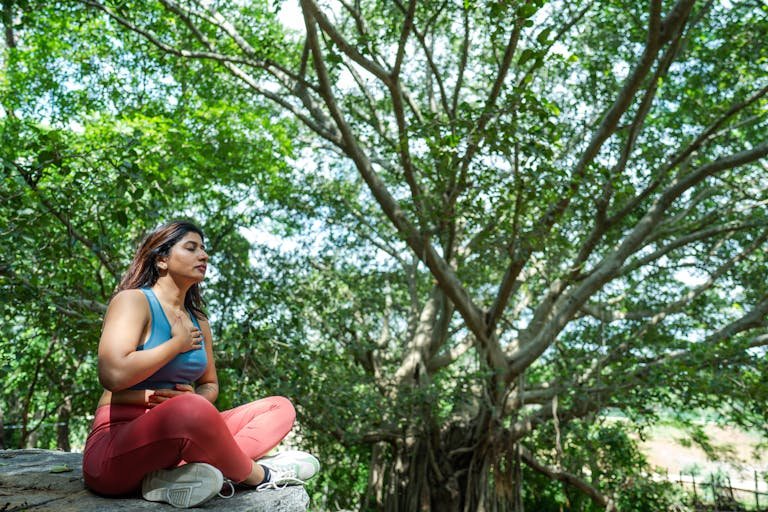
Meditation and visualization techniques can also be powerful tools for connecting with our ancestors on a deeper level. By quieting the mind and tuning into the wisdom of our inner selves, we can enter into a state of receptivity and openness to receive guidance and insights from our ancestors.
Whether through guided meditations, shamanic journeying, or other spiritual practices, the act of connecting with our ancestors on a soul level can be profoundly healing and transformative.
In addition to individual practices, communal rituals and ceremonies can also play a powerful role in ancestral healing. Healing circles, drums, and other group gatherings can offer opportunities for collective healing and support, allowing participants to share their stories, struggles, and triumphs in a safe and supportive environment.
Through the power of community and collective intention, we can amplify the healing energy of ancestral healing and create ripple effects of healing and transformation that can extend far beyond ourselves.
Challenges and Opportunities
Despite the profound potential of ancestral healing to catalyze individual and collective transformation within the African diaspora, its practice is not without its challenges and obstacles.
From skepticism and resistance within mainstream society to internalized feelings of shame and unworthiness among those impacted by intergenerational trauma, myriad forces seek to undermine the healing process.
Yet, in the face of these challenges lies an opportunity for profound growth and liberation. By reclaiming our cultural heritage, honoring the wisdom of our ancestors, and forging connections with one another, we can transcend the limitations of our past and step into a future grounded in resilience, strength, and self-determination.
In doing so, we not only heal ourselves but also contribute to the healing of our families, communities, and the world at large.
Conclusion
In the journey of life, we are each tasked with the sacred duty of healing the wounds of the past and forging a path of liberation for ourselves and future generations. For People of African descent, this journey is deeply intertwined with the legacy of intergenerational trauma, which continues to cast a long shadow over our collective psyche and soul.
Yet, amidst the darkness, there exists a there is hope: the transformative power of ancestral healing.
By honoring the sacrifices and struggles of our ancestors, reclaiming our cultural heritage, and forging connections with one another, we can break free from the chains of intergenerational trauma and step into a future rooted in strength, resilience, and self-determination.
In the words of Maya Angelou, “We are the hope and the dream of the slave. We rise. We rise. We rise.” It is time for us to rise, reclaim our power, and embrace the fullness of who we are as proud descendants of Africa.