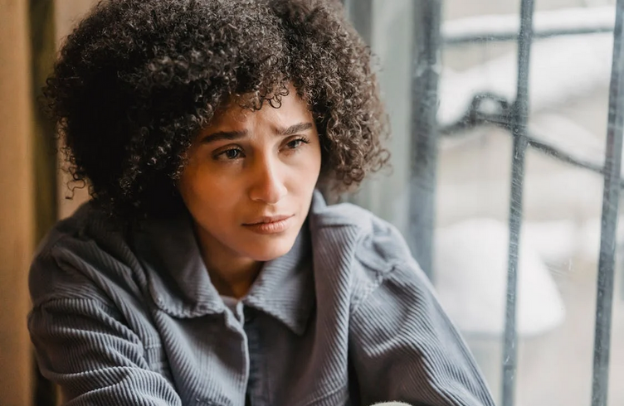
As has always been the case, the echoes of history reverberate through the generations, shaping the experiences and narratives of individuals and communities alike. For people of African descent, this resonance often carries the weight of intergenerational trauma, a legacy of slavery, colonization, and systemic oppression that continues to impact mental, emotional, and physical well-being. Yet, amidst the shadows of the past is a profound source of healing and resilience: ancestral wisdom.
In this article, we will embark on a journey to explore the transformative power of ancestral healing for people of African descent.
By reclaiming ancestral wisdom and engaging in practices that honor our lineage, we can unlock the keys to generational healing and forge a path toward greater well-being and liberation. Haven said that what do you understand about intergenerational trauma? That is where we should start from.
To understand the significance of ancestral healing, we must first confront the reality of intergenerational trauma. This form of trauma is not bound by time but transcends generations, leaving its imprint on the psyche and soul of descendants.
For people of African descent, the roots of intergenerational trauma run deep, stemming from centuries of enslavement, displacement, and systemic racism.
The legacy of slavery, for example, continues to cast a long shadow, manifesting in pervasive social inequities, economic disparities, and cultural erasure. The trauma inflicted upon our ancestors reverberates through the ages, shaping our sense of identity, belonging, and worth.
From the brutality of the Middle Passage to the horrors of plantation life, the scars of slavery linger in our collective consciousness, influencing how we navigate the world and perceive ourselves.
Colonialism further compounded this trauma, imposing a legacy of cultural genocide, land dispossession, and forced assimilation upon indigenous African societies. The erasure of indigenous knowledge systems, spiritual practices, and cultural traditions severed our connection to ancestral roots, leaving a void in our collective memory.
Yet, despite the enduring legacy of trauma, there is resilience woven into the fabric of our existence. Our ancestors endured unimaginable hardships with courage, strength, and dignity, leaving behind a legacy of resistance and survival.
It is through honoring their legacy that we can begin to heal the wounds of the past and reclaim our ancestral heritage.
The Power of Ancestral Healing
Ancestral healing offers a pathway to reclaiming our ancestral heritage and restoring balance within ourselves and our communities. At its core, ancestral healing is a holistic approach that recognizes the interconnectedness of past, present, and future generations.
By honoring our ancestors, we acknowledge their sacrifices, wisdom, and blessings, inviting their guidance and support into our lives.
Central to ancestral healing is the practice of ancestor veneration—an ancient tradition found in cultures around the world. Through rituals, offerings, and prayers, we cultivate a relationship with our ancestors, bridging the divide between the physical and spiritual realms.
Ancestral altars serve as sacred spaces where we pay homage to our lineage, displaying photos, mementos, and symbolic offerings as a tangible expression of reverence.
Connecting with our ancestors is not merely an act of remembrance but a source of empowerment and healing. Our ancestors possess a wealth of knowledge, resilience, and ancestral memory that can guide us on our journey of self-discovery and transformation.
By tapping into this ancestral wisdom, we can unlock hidden potentials, overcome obstacles, and manifest our true purpose in life.
Ancestral healing also encompasses the restoration of cultural traditions, rituals, and practices that have been oppressed or marginalized over time. From storytelling and ritual dance to music and culinary arts, these cultural expressions serve as conduits for ancestral wisdom, transmitting the essence of our heritage from one generation to the next.
Practices for Generational Healing
Embarking on a journey of ancestral healing requires a willingness to engage in practices that foster connection, healing, and transformation. While the specific rituals and traditions may vary across cultures and lineages, there are universal principles that guide our ancestral healing journey.
One such practice is the act of ancestor reverence, which involves setting aside time to honor our ancestors through prayer, meditation, or ritual. This may involve lighting candles, burning incense, or offering food and libations as a gesture of gratitude and respect.
By cultivating a daily practice of ancestor reverence, we strengthen our bond with our ancestors and receive their blessings in return.
Creating an ancestral altar is another powerful practice that serves as a focal point for ancestral veneration. Choose a sacred space in your home where you can assemble photos, artifacts, and offerings that honor your lineage.
Decorate the altar with symbols that resonate with your ancestry, such as ancestral masks, symbols, or sacred objects. Engaging in ritual dance and music is another potent form of ancestral healing, allowing us to channel the energy and wisdom of our ancestors through movement and sound.
Whether through traditional dances such as the African diasporic dances or through drumming and chanting, these forms of expression can help us connect with the rhythms of our ancestral heartbeat.
Overcoming Resistance and Embracing Healing
While the path of ancestral healing offers profound opportunities for growth and transformation, it is not without its challenges. For many people of African descent, the journey of reclaiming ancestral wisdom may be met with skepticism, resistance, or fear.
One common misconception is the belief that ancestral healing is synonymous with superstition or backwardness. In reality, ancestral healing is grounded in ancient wisdom and universal principles that transcend cultural boundaries. By reclaiming our ancestral heritage, we reclaim a sense of agency, empowerment, and belonging that is essential for our well-being.
Another barrier to ancestral healing is the trauma of ancestral memory itself. For some, delving into the past may evoke painful memories or unresolved traumas that have been passed down through generations. It is important to approach this process with compassion, gentleness, and self-care, seeking support from trusted allies or healers as needed.
Ultimately, the journey of ancestral healing is a deeply personal and transformative experience that requires courage, humility, and openness. By embracing our ancestral heritage, we not only heal the wounds of the past but also pave the way for a brighter future for ourselves and generations to come.
Conclusion
As we navigate the complexities of our modern world, the wisdom of our ancestors serves as a guiding light, illuminating the path toward healing, liberation, and wholeness.
By reclaiming our ancestral heritage and engaging in practices that honor our lineage, we unlock the keys to generational healing and transformation.
In embracing ancestral wisdom, we reclaim our power, agency, and sovereignty as individuals and as a collective. We remember that we are not alone on this journey but are supported by the wisdom and blessings of countless generations who have come before us.