In my spirit, I can still smell the coconut and spices from my grandmother’s kitchen. I can hear the specific cadence of her voice as she told a story, her hands never idle. For many of us, these memories are sweet, perhaps tinged with a gentle nostalgia. But I invite you to see them as something more. These moments are not just memories. They are portals.
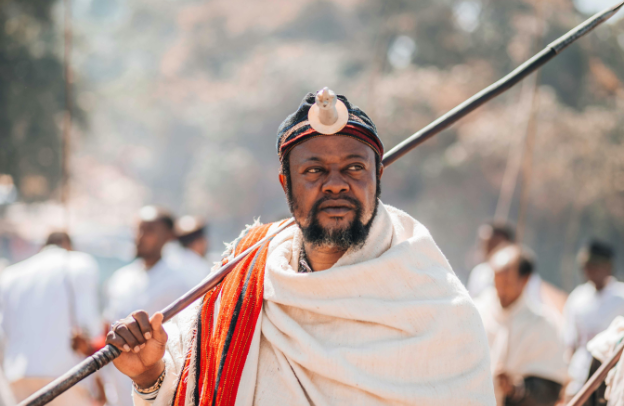
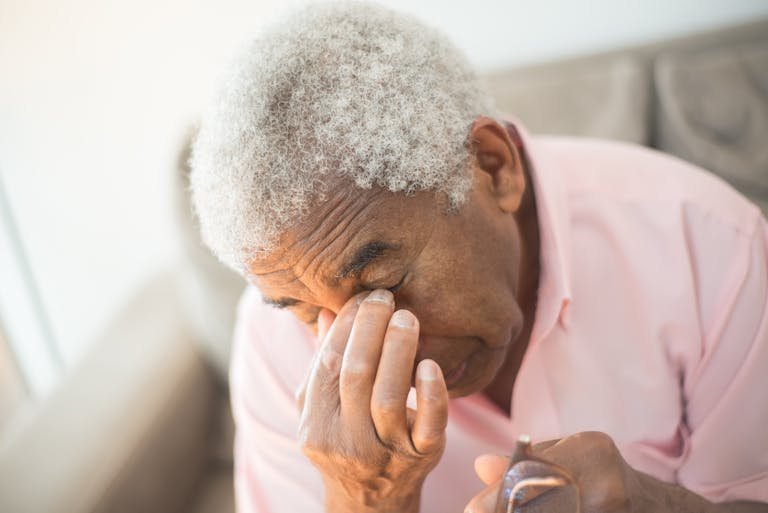
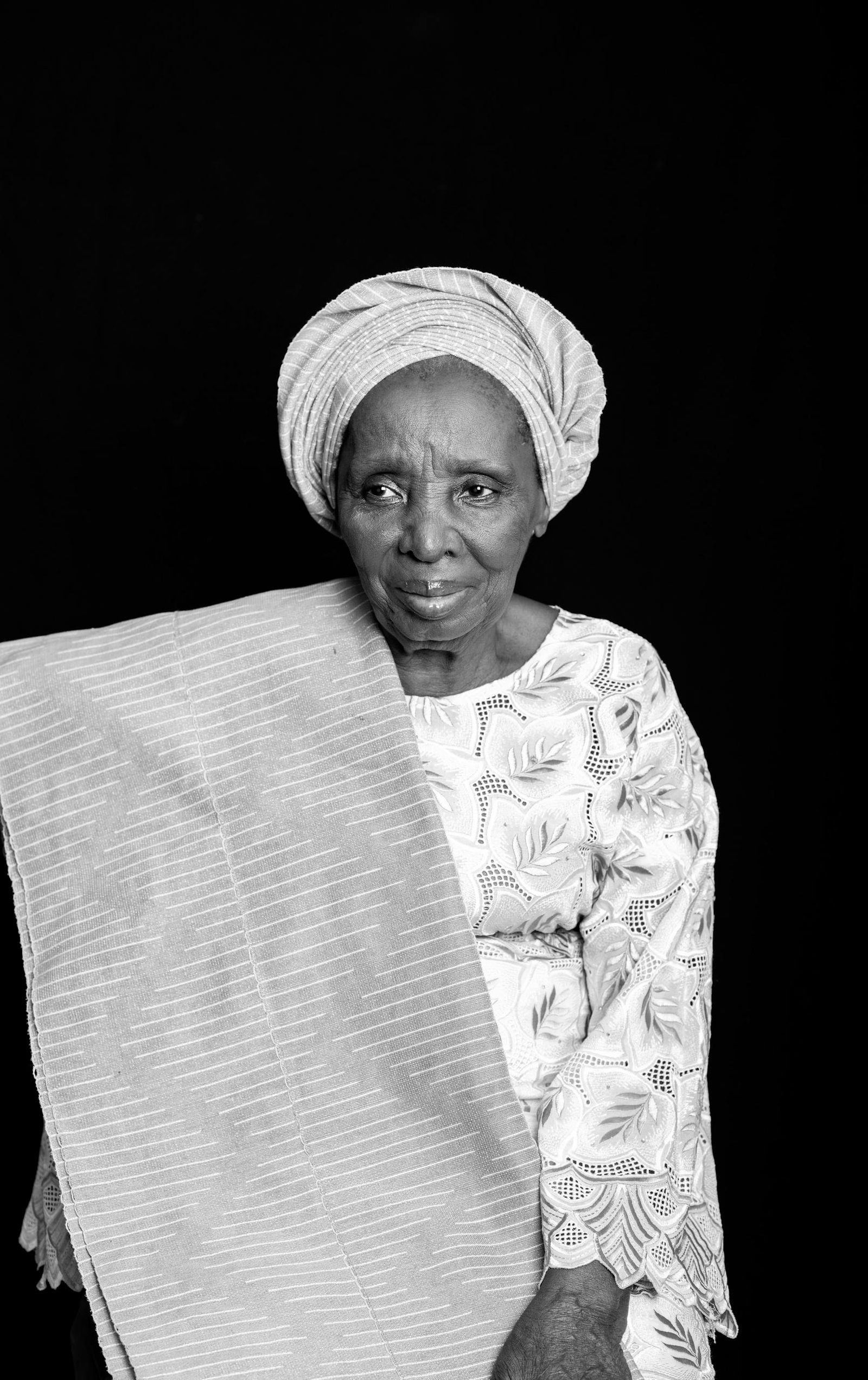
Our Black elders, our grandmothers and grandfathers, our great-aunts and community leaders, are the sacred gatekeepers of these portals. In a world that has often tried to erase our history, to silence our narratives, and to disconnect us from our power, our elders stand as living libraries. They hold the keys not just to our past, but to our present healing and our future liberation.
This work of connection is the heart of what we do at Fematin958 Intl. It is a journey of spiritual alignment that unfolds in three phases: The Remembering, The Unveiling, and The Reclaiming. At the centre of this sacred work, holding the lamp that lights the way, is the wisdom of our elders.
The Remembering: Our Living, Breathing Libraries
For centuries, the dominant culture has controlled the narrative of history. Our stories, if told at all, were often distorted, diminished, or relegated to the footnotes of someone else’s triumph. We were told our history began with enslavement, a lie designed to sever us from our royal, spiritual, and intellectual roots.
But our elders know the truth. They are the custodians of our collective memory, the unwritten history that thrives in story, song, and spirit.
In many West African traditions, the griot is a highly respected historian, storyteller, and musician whose sacred duty is to preserve the genealogies and oral traditions of their people.
This role was not lost in the diaspora. It transformed, adapting to new soils but never losing its purpose. Our elders became our griots. They held the family Bible that listed names stretching back generations. They remembered the cousin who migrated north, the remedies used to cure a fever, and the spirituals that held coded maps to freedom.
As noted by academics who study the African diaspora, this oral tradition was, and remains, a powerful tool of resistance and cultural preservation. When it was illegal for our ancestors to read and write, they encoded their wisdom, their pain, and their strategies for survival into the stories they told their children.
When we sit with an elder and ask them to “tell us about the old days,” we are not just engaging in conversation. We are participating in the sacred act of The Remembering. We are accessing a living archive that no fire can burn and no oppressor can fully erase, as long as we are willing to listen.
The Unveiling: Healing the Wounds We Cannot See
This act of remembering is not always comfortable. The stories our elders hold are not just of joy and resilience. They are also records of profound pain, trauma, and survival. This is where the true healing begins: in The Unveiling.
Many of us in the Black community carry burdens that do not belong to us. We carry anxieties, fears, and patterns of behaviour that we cannot trace to our own lived experiences. We see it in our families: a mistrust of institutions, a deep-seated fear of lack, or complex dynamics that seem to repeat with every generation.
The scholar Dr Joy DeGruy gave this phenomenon a name: Post Traumatic Slave Syndrome (PTSS). She theorises that centuries of chattel slavery, followed by decades of institutionalised racism and oppression, created “multigenerational trauma” that has been passed down. These are adaptive behaviours that helped our ancestors survive an unimaginably brutal system.
Our elders are the gatekeepers to understanding this.
When your grandmother tells you why she never throws food away, or why she “doesn’t trust those people” in a certain uniform, she is not just sharing a quirk. She is “unveiling” a piece of the map. She is handing you the key to a survival mechanism, born of a time when lack was a threat to life and authority was a weapon.
Their stories are the context for our pain. By listening without judgment, we are given a divine opportunity. We can look at these inherited patterns, these “adaptive behaviours,” and hold them with compassion.
We can finally understand why they exist. And in that understanding, we can begin the sacred work of healing. We can choose what to carry forward and what to lay down at the feet of the ancestors, thanking it for its service.
The Reclaiming: Our Sacred Inheritance
Once we have remembered our stories and unveiled the roots of our trauma, we are ready for the final, most powerful phase: The Reclaiming.
Our elders are not just gatekeepers of memory; they are gatekeepers of practice. They hold our intangible cultural heritage, a term UNESCO uses to describe the living traditions, rituals, and knowledge that give a community its identity.
This is the divine feminine wisdom that was suppressed. It is the spiritual technology that kept us sane and connected. The reclaiming is about reviving these practices, not as relics, but as essential tools for modern life.
This heritage includes:
- The Recipes: The way your great-aunt prepares a specific dish is not just about food. It is about ancestral nourishment, plant medicine, and the rituals of communal gathering.
- The Language: The proverbs, the specific turns of phrase, the way our people laugh and give counsel. This is the carrier of our unique worldview and cosmology, directly linking us to traditions like that of the Yoruba.
- The Rituals: The way we honour the dead, bless a new baby, or cleanse a home. These are not superstitions; they are our spiritual technologies for marking time, honouring transitions, and maintaining spiritual hygiene.
- The Skills: The knowledge of braiding, weaving, farming, or music. These are the physical manifestations of our ancestral genius.
When an elder teaches you how to do something “the old way,” they are giving you a key to your inheritance. They are helping you reclaim your purpose and your power. This is not about going backwards. It is about anchoring ourselves, so we can move forward with grace, clarity, and the full weight of our lineage behind us.
A Sacred Urgency: The Library is Burning
This work is sacred, but it is also urgent. The Malian writer and historian Amadou Hampâté Bâ spoke a profound truth when he said: “In Africa, when an old man dies, it is a library that burns.”
We are losing our libraries every day.
We live in a culture that moves at a frantic pace, one that often devalues the slow wisdom of the elderly. We are distracted by screens, disconnected by geography, and taught to look for answers everywhere except within our own lineage.
This is our sacred call to action. We must become the scribes. We must become the listeners. We must bridge the gap, not with a sense of duty, but with a spirit of reverence and curiosity. We must do it now, while they are still with us.
If you are blessed to have elders in your life, I invite you to begin this work:
- Create a sacred space for listening. Put your phone away. Make a cup of tea. Be present.
- Ask with intention. Move beyond “how are you?” Ask them to tell you about their first school, their parents, the first time they felt truly proud, or the saddest day of their life.
- Record their voice. With their permission, capture their stories. The sound of their voice is a treasure you will carry forever.
- Ask for the “why”. Why do we make this dish on this holiday? Why did you move to this city? Why do you say that proverb?
- Listen to the silence. Sometimes the most important stories are in the pauses, the things left unsaid. Hold space for all of it.
This is not interrogation. It is an act of love.
Our connection to our elders is our connection to our source. They are the gatekeepers of our collective memory, the healers of our generational wounds, and the teachers of our reclaimed power.
This journey of re-connection is the most profound spiritual work we can do. It is the path to healing ourselves, our families, and our community. It is the sacred invitation offered by Fematin958 Intl: to remember who you are, to unveil the truth of your lineage, and to reclaim the divine power that is your birthright.
Your healing is waiting. Your ancestors are watching. And our elders are holding the door open for you.