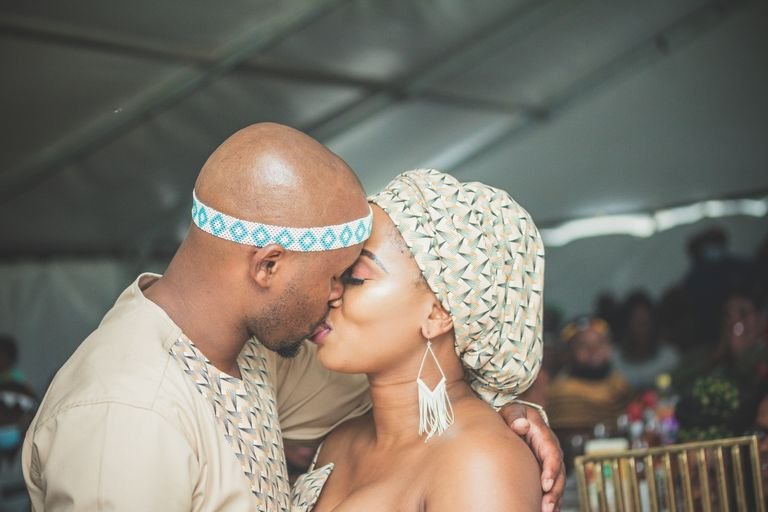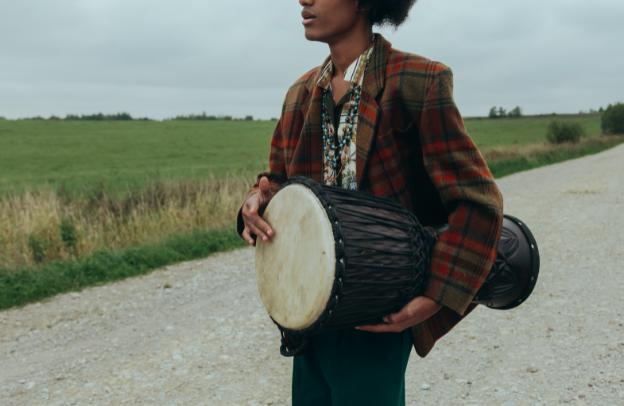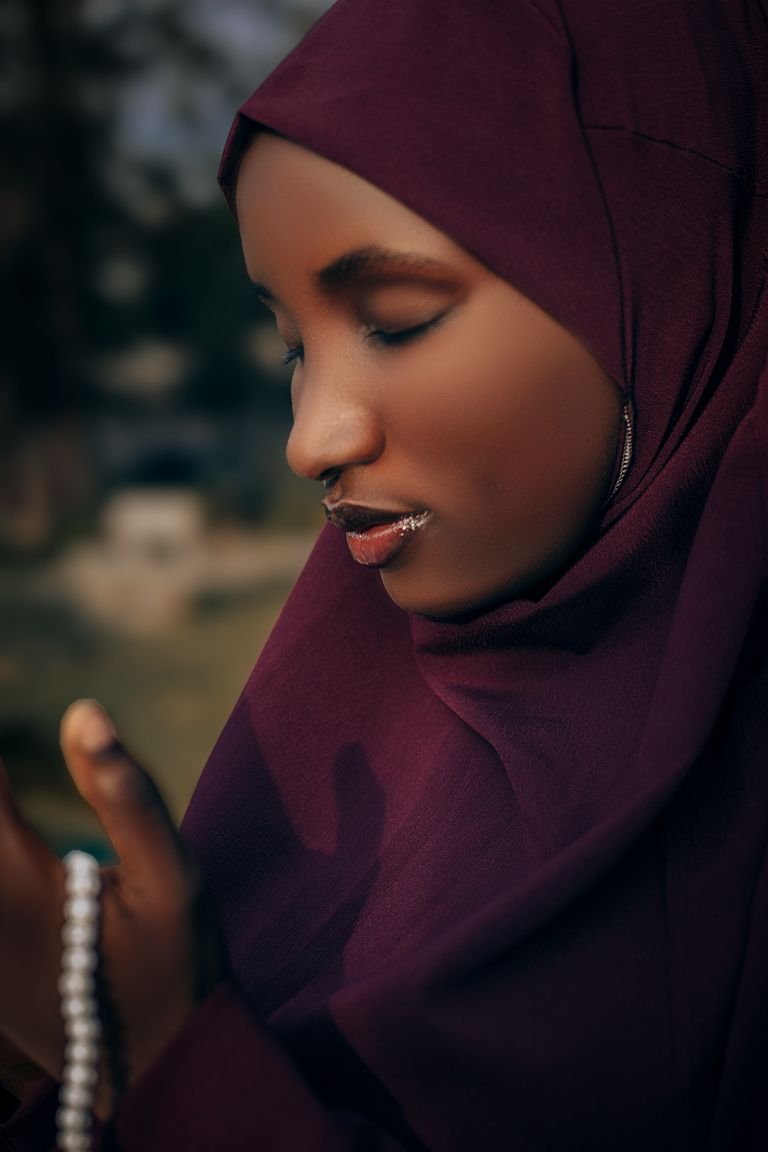
When a child enters this world, they carry far more than just physical potential. They arrive as a divine spark, a spiritual traveler carrying the hopes, prayers, and unfinished business of an entire bloodline. Yet, in our modern culture, the act of naming a child has often been reduced to a matter of popular trends, baby name books, or personal preference. We pick names because they sound pleasant, fit a current style, or look nice on personalized nursery decor.
While there is nothing wrong with beauty and aesthetics, something profoundly spiritual is lost when naming is stripped of its sacred dimension. Across the African diaspora, a name was never seen as a mere label or an arbitrary title. A name was understood as a spiritual blueprint, a prophecy, and a living contract between the physical world (Isalu Aye) and the spiritual realm of the ancestors (Isalu Orun).
When we look around today, many people wander through life feeling disconnected from their true identity, struggling to find their life purpose, or feeling subtly adrift. Often, this spiritual disorientation traces back to a lack of sacred anchoring at the very beginning of life.
Through the sacred practice of traditional naming ceremonies, ceremonial ministry, and ancestral blessings, we restore that anchor. We ensure that every child is properly introduced to the universe, protected by their lineage, and given a name that speaks directly to their divine destiny.
Phase One: The Remembering
To understand the true weight of a name, we must enter the first phase of our spiritual journey, The Remembering. This is the conscious returning to the sacred traditions that nourished our ancestors and held our communities together for millennia.
In Yoruba cosmology, every human being chooses their destiny, known as Ori, before coming to Earth. A child is born with a specific spiritual identity, temperament, and life mission. Therefore, traditional naming ceremonies are not designed to impose an identity onto a child. Instead, they are designed to divine, reveal, and celebrate the identity the child already carries in their spirit.
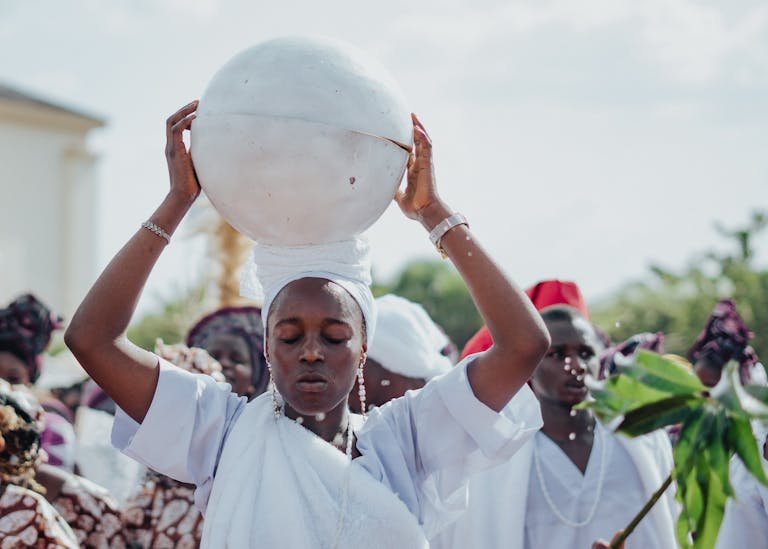
In Yoruba tradition, the naming ceremony, known as Ikmo or Ikmo, typically takes place on the eighth day of a newborn child’s life. This eight-day period holds deep spiritual significance. It allows the infant time to fully settle into their physical body, while giving the family time to observe the child’s spirit and consult with elders or spiritual practitioners.
During a traditional Yoruba naming ceremony, specific sacred elements and ancestral blessings are brought forward to align the child’s spirit with a life of abundance, protection, and grace:
- Honey and Sugar (Oyin and Iyo): Touched gently to the baby’s tongue to decree that their life will be sweet, joyous, and filled with pleasant experiences.
- Water (Omi): Offered as a symbol of peace, clarity, and life force energy, praying that the child’s path will be smooth and that they will never suffer dryness or lack.
- Bitter Kola (Orogbo): Symbolizing longevity, strength, and victory over trials, ensuring the child lives a long, fruitful life and overcomes all obstacles.
- Salt (Iyo): Representing preservation, flavor, and wisdom, signifying that the child will add value to their community and preserve the goodness of their lineage.
- Dried Fish and Pepper (Eja and Ata): Used to wish the child an abundant home, passion, drive, and the ability to navigate difficult waters with ease.
Beyond these natural elements, the child is given multiple names that reflect the circumstances of their birth, their spiritual heritage, and the family’s prayers.
Ancestral names are invoked to connect the child directly to deceased elders whose positive virtues they carry. When we remember these practices, we realize that a child given a sacred name walks through life with an invisible shield of protection and a constant reminder of who they are.
Phase Two: The Unveiling
As we celebrate the depth of these traditional rituals, we must also step into the second phase of our journey, The Unveiling. Here, we courageously look at the root causes of our cultural disconnection and examine how historical disruptions severed our connection to these sacred ceremonies.
During periods of colonization and transatlantic enslavement, African names and naming rituals were deliberately targeted for destruction. Systemic forces recognized that stripping a person of their ancestral name was the fastest way to erase their memory, destroy their identity, and disconnect them from their spiritual power.
Millions of our ancestors were forced to abandon their meaningful names in favor of foreign labels that carried no spiritual resonance, history, or connection to their bloodline.
The lingering impact of this historical trauma is still visible today. Many Black families were forced into silence, losing access to the specific names and lineages that once anchored them.
When we unveil the consequences of this spiritual erasure, several clear challenges emerge in our modern lives:
- Identity Confusion and Disconnection: Many individuals grow up feeling a persistent sense of spiritual displacement, as though they are wearing a name that does not quite fit their internal truth or purpose.
- Loss of Generational Continuity: Without sacred naming ceremonies, the story, values, and triumphs of our elders fail to get passed down, leaving the younger generation without a clear ancestral blueprint.
- Unanchored Transitions: When major life transitions, such as birth, are treated purely as social or medical events, we miss out on the spiritual protection and communal support that sacred rituals provide.
Unveiling these truths is not about dwelling on past pain. Rather, it is about gaining clarity. It allows us to understand why we feel called toward spiritual reclamation and gives us the courage to rebuild what was broken.
Phase Three: The Reclaiming
Having remembered our sacred origins and unveiled the sources of our disconnection, we step boldly into The Reclaiming. This is the practical, transformative stage where we bring sacred ceremonies, ancestral blessings, and intentional naming practices back into our daily lives and modern homes.
Reclaiming naming ceremonies is not limited to newborns. Whether you are welcoming a new baby, adopting a child, or undergoing a personal spiritual rebirth as an adult, you have the power to reclaim your name and establish a sacred ceremony that honors your lineage.
Here are meaningful ways you can incorporate ancestral naming practices and ceremonial ministry into your life:
1. Research and Honor Your Ancestral Names
Take time to explore your family history, talk to your oldest living relatives, and record the names of your grandmothers, grandfathers, aunts, and uncles. If you are expecting a child, consider giving them an ancestral middle name or a traditional African name that carries a powerful, positive meaning.
2. Host an Intentional Naming Ceremony
If you are welcoming a child, consider moving beyond a standard baby shower by hosting a dedicated spiritual naming ceremony. Invite trusted family members, elders, and friends to gather in a quiet, beautiful space. Include elements such as pouring water for the ancestors, speaking words of blessing over the child, and explaining the deep meaning behind the chosen names.
3. Reclaim Your Own Name as an Adult
Many adults reach a point in their healing journey where they realize their given name no longer aligns with their spiritual evolution. You can choose a new name or an ancestral name that reflects your true destiny. Mark this transition with a private or communal ritual where you declare your new name to the universe, wash your hands and head in cool water, and step into your renewed identity.
4. Create Written Decrees for Future Generations
Write down formal blessings, prayers, and intentions for your children and grandchildren. Document the values, spiritual principles, and stories you wish to pass down. Keep these writings in a family journal or place them on your home altar as a living testament to your family’s legacy.
Walking Forward in Your Divine Power
Your name is the primary song that the universe plays over your life. When your name is anchored in ancestral wisdom, divine intention, and sacred blessing, it becomes a continuous source of strength, clarity, and protection. You are not a random accident; you are the fulfillment of an ancestral promise, and your presence on this earth carries immense value.
You do not have to carry the weight of cultural disconnection, identity confusion, or generational burdens in isolation. The negative patterns, anxieties, and sense of displacement you may be experiencing can be recognized, understood, and transformed into sources of profound spiritual authority and grace.
Your path toward spiritual alignment, identity reclamation, and ancestral connection begins with a single, courageous step.
Book a 15-Minute Free Call with Me
Learn to recognize and transform the negative patterns that may be holding you back and use them for your good. https://gloriaogunbadejo.com/15-minutes-call/