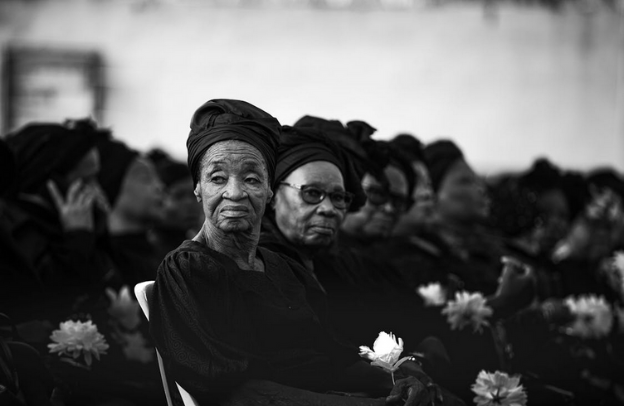
My dear ones, let us speak of grief. In our modern world, we are taught to treat grief as a problem to be solved, an illness to recover from. We are encouraged to be strong, to push through, to find closure and move on. We pathologise sorrow, treating it as an unwelcome guest who has overstayed their welcome.
But what if this understanding is fundamentally incomplete? What if grief is not a dead end, but a doorway?
I invite you to consider that grief is a sacred process. It is a potent and intelligent force that, when honoured, serves as a portal to deeper connection, profound wisdom, and a more authentic relationship with ourselves and our lineage.
More than just the personal pain of losing a loved one, many of us carry a much older, deeper sorrow. It is the grief in our blood: the unmourned losses of our ancestors, the ache of severed connections to land, language, and culture.
This intergenerational grief is a quiet but heavy weight, often manifesting as a sadness we cannot name or an anxiety with no apparent source. To turn towards this grief, to honour it with reverence, is not an act of weakness.
It is a courageous act of healing that can transform a legacy of pain into a wellspring of power. It is a journey that requires us to Remember our past, Unveil our deepest wounds, and Reclaim the strength that lies on the other side of sorrow.
The Weight of Unseen Sorrows: Understanding Intergenerational Grief
Imagine a great and ancient river. As it flows through different lands, it picks up sediment, minerals, and memories from every place it touches. By the time it reaches the sea, it carries the story of its entire journey.
Our spirits and our bodies are much like this river. We carry within our very cells the stories, the joys, and the unhealed sorrows of the generations who came before us. This is intergenerational grief.
For those of us in the African diaspora, this is not a metaphor; it is a lived reality. The trauma of the Maafa, the horrors of enslavement, the violence of colonisation, and the ongoing struggle against systemic racism did not end when the history books closed a chapter.
The emotional and spiritual wounds were passed down, often in silence, from one generation to the next. As the pioneering researcher Dr. Joy DeGruy articulates in her work on Post-Traumatic Slave Syndrome, this inherited trauma shapes our behaviours and beliefs in ways we may not even consciously realise.
Modern science is beginning to catch up with this ancient wisdom through the field of epigenetics, which shows how traumatic experiences can leave a chemical signature on our genes that is then passed down.
This means the pervasive anxiety, the deep-seated mistrust, or the feeling of being perpetually un-rooted that you may experience might not have started with you. You may be carrying the unprocessed grief of a great-grandmother who lost her home, her language, and her family.
Acknowledging this is not about blame or victimhood. It is about context and compassion. It allows you to look at your own pain and say, “Ah, I see. This is not just my burden. This is a collective story, and by honouring it within myself, I can help to heal it for all.”
The Remembering: Creating a Sacred Space for Sorrow
The first step in transforming grief is to stop running from it. In the phase of The Remembering, we create a safe and sacred container to hold our sorrows, both personal and ancestral.
Western culture rushes grief, but our traditions know that sorrow has its own timeline and demands its own rituals. We must learn to sit with it, to listen to it, and to give it a place of honour.
How do we begin to create this sacred space?
- Build an Ancestral Altar: An altar is a powerful focal point.1 It is a physical declaration that your ancestors matter and that their stories are welcome in your home. It can be simple: a small table with a white cloth, a glass of water, a candle, and photos or names of those who came before you. This becomes a place where you can speak to them, share your heart, and consciously offer up the grief you carry on their behalf. It is a place to say, “I see your sorrow, and I will help you carry it now.”
- Practice Story-Grief: Seek out the stories of your lineage. Learn the names of your people. Discover not only their triumphs but their struggles and their losses. When you understand what your ancestors endured, the grief you feel gains a new depth and meaning. It moves from a place of personal pathology to one of profound empathy and connection.
- Name the Losses: One of the most powerful practices is to simply name what was lost. We often hold grief as a vague, heavy fog. Naming gives it form. You can do this through journaling or speaking aloud at your altar. “I grieve for the languages my people were forced to forget. I grieve for the sacred lands they were stolen from. I grieve for the family bonds that were violently broken.” This act of naming is a sacred witnessing.
The Unveiling: The Sacred Release of Feeling
Once we have created a safe container, we can move into the heart of the work: The Unveiling. This is the phase where we give ourselves permission to truly feel the grief that we have so bravely acknowledged.
It is the sacred act of emotional release, a spiritual cleansing that our minds cannot achieve on their own.
In this work, our tears are our allies. Tears are not a sign of collapse; they are a sign of release. They are liquid prayers, carrying stress hormones and stagnant energy out of our bodies.
In many of our indigenous traditions, ritual wailing and communal crying are understood as essential for moving sorrow through the body and preventing it from becoming a source of illness in the spirit and the community. We must reclaim the right to cry, to keen, to let our bodies express the language of loss without shame.
To support this sacred release, you can engage in embodied practices:
- Somatic Movement: Grief gets trapped in the body, creating tightness in the chest, the throat, and the belly.2 Put on music that moves you and allow your body to lead. Shake your limbs, stomp your feet, sway your hips. Let the body tell its story and release the energies it has been holding for so long.
- Grief Rituals: Ritual provides a structure for our emotions.3 You might write a letter to the person you have lost, pouring out everything you never got to say, and then ceremonially burying it in the earth. You could create a “grief bundle” with objects that represent your sorrow and offer it to a flowing river to carry it away.
- Share Your Heart: The “Strong Black Woman” trope has taught us that we must grieve in isolation. This is one of the most damaging lies we have been told. Sharing your story in a trusted circle of sisters, with a spiritual mentor, or in a healing community is a revolutionary act. When our grief is witnessed with compassion, its power to isolate us is broken.
The Reclaiming: How Grief Becomes a Portal
When we have the courage to walk through the heart of our grief instead of bypassing it, we discover the portal. On the other side is not an absence of pain, but a presence of profound depth, strength, and clarity. This is the phase of The Reclaiming, where we alchemise our pain into purpose.
What do we reclaim when we honour our grief?
- We Reclaim Connection: By mourning our ancestors, we call them closer. They are no longer distant figures in a forgotten history, but vibrant presences and powerful allies in our lives. Our sorrow becomes the bridge that connects us to their wisdom.
- We Reclaim Our Full Humanity: When we numb ourselves to grief, we also numb ourselves to joy. By allowing ourselves to feel the full spectrum of sorrow, we expand our capacity for every other emotion. Our hearts break open, not apart, leaving us more compassionate and alive.
- We Reclaim Our Purpose: Often, our greatest gifts are born from our deepest wounds. The journey through grief can reveal our sacred purpose. Having navigated the landscape of loss, we may be called to become healers, storytellers, community advocates, or guides for others on their own journey.
- We Reclaim Our Strength: The strength that comes from avoiding pain is brittle. The strength that comes from moving through pain is resilient, authentic, and unshakable. You realise that you can hold the deepest sorrows and still stand, rooted in the love of your ancestors and the truth of your spirit.
Your grief, my dear ones, is not a curse. It is a sacred inheritance and a holy invitation. It is the call of your ancestors, asking you to help them complete their healing. It is the call of your own soul, asking you to become whole.
Be gentle with your heart. Honour the river of sorrow that flows through you, for it is that very river that will carry your home.