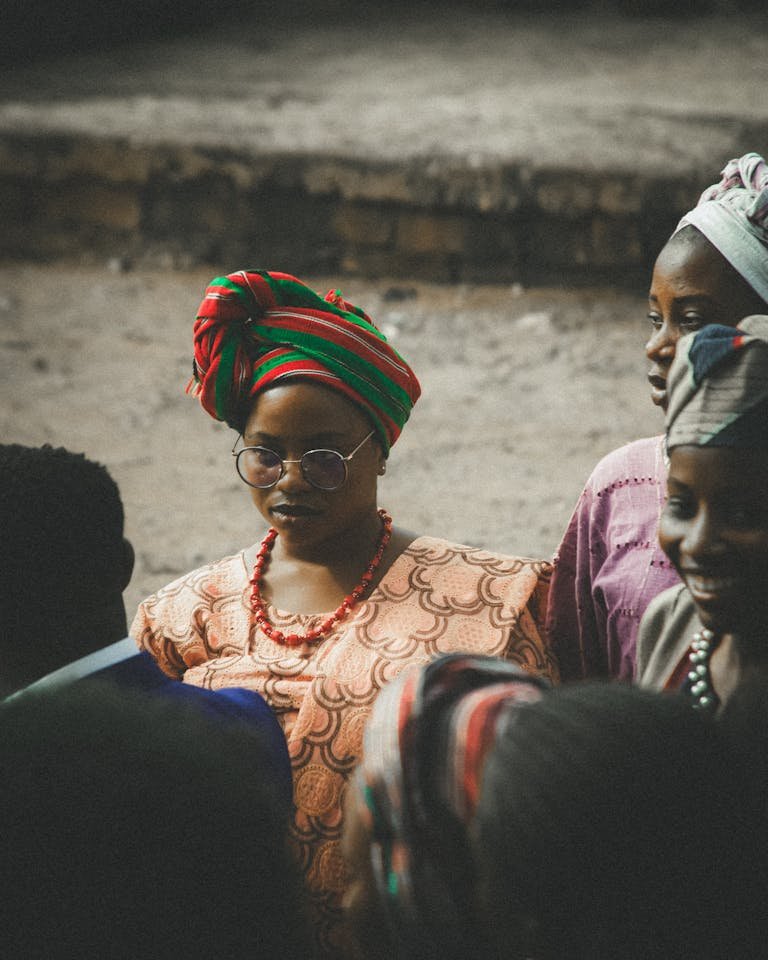
Imagine waking up one morning with the realization that the struggles and pains you face today may not be solely yours but may be echoes of your ancestors’ experiences. This is the essence of ancestral healing: a journey into the past to mend the present.
If you are of African descent and find yourself grappling with feelings of inherited trauma, you are not alone. This article will guide you through understanding how ancestral healing can liberate you from intergenerational trauma and help you live a more fulfilling life.
Understanding Intergenerational Trauma
Intergenerational trauma refers to the transmission of the effects of trauma from one generation to the next. This can occur through familial patterns of behavior, emotional responses, and even physiological changes.
The concept, supported by researchers like Dr. Rachel Yehuda and Dr. Daniel Schechter, illustrates how experiences of trauma, such as those from slavery or colonialism, can affect descendants long after the initial events (Yehuda, R., & Lehrner, A. (2018). Intergenerational Transmission of Trauma Effects: Putative Role of Epigenetic Mechanisms).
Historical Context and Psychological Impact
In African-descended communities, historical injustices—such as slavery and colonial exploitation—have left deep scars. These events have contributed to a legacy of trauma that can manifest as mental health struggles, socio-economic challenges, and strained relationships in present generations.
Understanding this connection helps you recognize that the challenges you face might be rooted in historical injustices and not just personal shortcomings.
The Principles of Ancestral Healing
Ancestral healing is based on the idea that you can connect with your ancestors to gain insight and healing. This practice is deeply rooted in African traditions and involves recognizing and honoring the wisdom and experiences of those who came before you.
By establishing a spiritual connection with your ancestors, you can address unresolved issues and gain clarity on your own path.
Healing Practices
Traditional African healing practices include rituals such as libations, which involve pouring offerings to honor ancestors. These rituals create a space for ancestors to guide and support you.
Other practices include storytelling, where elders share wisdom and history, and drumming, which can be a powerful means of connecting with ancestral energy. Modern adaptations might incorporate these traditions into daily meditation or mindfulness practices.
Reclaiming Our Stories
Start by delving into your family history. Explore old photographs, family records, and oral histories. Understanding your lineage helps you see patterns of behavior and trauma that have persisted through generations. This exploration can reveal how these patterns have influenced your own life and choices.
Embracing Cultural Heritage
Your cultural heritage is a source of strength and identity. By embracing and celebrating it, you honor your ancestors and build a solid foundation for your healing. Engage with cultural practices, participate in community events, and learn about traditional values and customs. This connection reinforces your sense of belonging and helps to heal the wounds of the past.
Community and Collective Memory
Healing is often a communal effort. Share your stories and experiences with others in your community. Collective memory can be a powerful tool for healing, as it allows for shared understanding and support.
Community gatherings, cultural festivals, and support groups provide spaces where you can connect with others who share similar experiences and work through collective trauma together.
Practical Steps for Ancestral Healing
Begin your healing journey with self-reflection. Journaling can be an effective tool for exploring your thoughts and emotions related to ancestral trauma. Practice mindfulness and meditation to cultivate awareness and connect with your inner self.
These practices help you gain insight into how your ancestors’ experiences impact your life today.
Rituals and Practices
Incorporate rituals into your daily life. Create an ancestor altar where you can place photographs, symbols, or objects that represent your lineage. Regularly perform rituals such as lighting candles or making offerings to honor your ancestors. These practices can help you establish a deeper connection and foster healing.
Seeking Support
Consider working with practitioners who specialize in ancestral healing or intergenerational trauma. Therapists trained in these areas can provide valuable guidance and support.
Look for community organizations or support groups focused on ancestral healing and trauma recovery. Connecting with others on similar journeys can provide encouragement and resources.
Success Stories and Case Studies
Many individuals have found profound healing through ancestral practices. For example, Mariam, an African American woman, used ancestral rituals and family history exploration to address issues of depression and anxiety rooted in her family’s experiences of racial trauma.
Her journey highlights the potential for personal transformation through ancestral healing.
Community Initiatives
Organizations like the African American Cultural and Heritage Facility and the Black Emotional and Mental Health Collective (BEAM) are leading efforts in ancestral healing and trauma recovery.
These groups offer resources, workshops, and community support to help individuals and families address intergenerational trauma and reclaim their stories.
The Future of Ancestral Healing
As more people recognize the power of ancestral healing, practices are evolving to incorporate modern understanding while respecting traditional wisdom. Innovations in therapy and spiritual practices are expanding the ways you can engage with ancestral healing and address trauma.
Global Perspective
Ancestral healing practices are not unique to one culture. Many societies around the world are incorporating similar principles into their healing processes. Learning from these diverse practices can provide additional insights and techniques that may resonate with your own healing journey.
Conclusion
In reclaiming your stories and engaging in ancestral healing, you embark on a transformative journey. By addressing intergenerational trauma and connecting with your heritage, you can find healing and empowerment.
Take the first step today: explore your lineage, embrace your cultural heritage, and connect with your ancestors. The path to liberation and personal growth starts with understanding and honoring the past.