As an individual of African descent, I believe that understanding our ancestral roots and embracing ancestral healing can be a transformative and empowering journey. In this article, we will delve into the concept of ancestral healing, exploring how it can benefit Africans and people of African diaspora.
By tracing our African roots, we can reconnect with our cultural heritage, gain a deeper understanding of ourselves, and heal intergenerational wounds that may have been passed down through the generations.
Unlocking the Power of Your Lineage
Ancestral healing is a profound process of connecting with our ancestors, their wisdom, and their experiences. It involves acknowledging and honouring our lineage while seeking to heal and transform any ancestral trauma that may still impact our lives today. By tapping into the energy and knowledge of our ancestors, we can access a wellspring of strength, guidance, and healing.
There is a book you might consider checking out on this. Its titled “The Ancestral Continuum: Unlock the Secrets of Who You Really Are” by Natalia O’Sullivan, Nicola Graydon and available on Amazon.
The Importance of Ancestral Knowledge and Wisdom
Our ancestors possess a wealth of knowledge and wisdom that has been passed down through generations. By embracing ancestral healing, we can tap into this wisdom and gain a deeper understanding of our cultural heritage.
This knowledge can offer valuable insights into our identities, traditions, and values, empowering us to navigate our lives with a sense of purpose and authenticity.
Acknowledging Ancestral Trauma and Its Impact
Throughout history, Africans and people of African descent have faced immense challenges, including slavery, colonization, and systemic racism. These experiences have left deep scars that can affect us on a subconscious level. Ancestral healing provides an opportunity to acknowledge and address this ancestral trauma, allowing us to break free from its grip and create a path of healing and resilience.
Healing Intergenerational Wounds through Ancestral Connection
Ancestral healing is a powerful tool for healing intergenerational wounds. By forging a connection with our ancestors, we can identify and address patterns, behaviours, and beliefs that may have been inherited from previous generations. Through this process, we can liberate ourselves from negative ancestral imprints and create a positive and empowering legacy for future generations.
Tracing Your African Roots
One way to explore your African roots is through genealogy research. By delving into family trees and historical records, you can uncover valuable information about your ancestors and their origins. Online resources and DNA testing services can provide helpful tools for tracing your lineage and connecting with distant relatives.
Engaging with Oral Traditions and Storytelling
Oral traditions and storytelling are integral parts of African culture. Engaging with elders and community members can provide a wealth of ancestral knowledge and stories that have been passed down through generations. By listening attentively and sharing these stories, we can deepen our connection to our ancestors and gain a richer understanding of our heritage.
To learn more about the power of storytelling, check out the 5-part book series: “Storytelling Series for Small Businesses and Content Creators” by Obehi Ewanfoh.
Exploring Historical Records and Archives
Historical records and archives hold a treasure trove of information about our African ancestors. Local libraries, museums, and heritage centres often house valuable documents, photographs, and artifacts that can provide insights into our lineage. And if you know where to look, those cultural relics are all around us.
Just to get you thinking, here are 8 important museums where you can find valuable content about African cultures and experiences:
- Cape Coast Castle Museum – Ghana.
- Museum of Modern Art of Algiers – Algeria.
- House of Slaves – Senegal.
- Apartheid Museum – South Africa.
- Museum of Egyptian Antiquities – Egypt.
- National Museum of Ethiopia – Ethiopia.
- National Museum of Mali – Mali.
- Marrakech Museum – Morocco.
Exploring these resources can unveil hidden stories and connections, allowing us to reconstruct our ancestral narrative.
Practicing Ancestral Rituals and Ceremonies
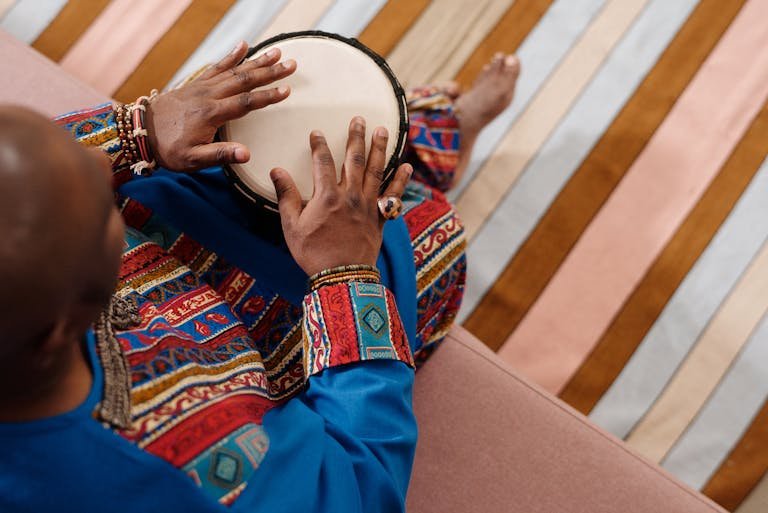
Ancestral rituals and ceremonies provide a powerful means of connecting with our ancestors on a spiritual level. These practices vary across African cultures, but they often involve offerings, prayers, music, dance, and other forms of expression. By engaging in these rituals, we can create a sacred space where we can communicate with our ancestors, seek their guidance, and honour their presence.
Building Connections with Living Relatives
Our living relatives can serve as valuable resources in our journey of ancestral healing. Reaching out to family members, both immediate and extended, allows us to forge deeper connections and gather additional information about our lineage. Sharing stories, memories, and experiences can enrich our understanding of our ancestors and strengthen the bonds within our family.
Engaging with Ancestral Communities
Ancestral communities provide a supportive network for individuals seeking to explore their African roots. Participating in cultural events, celebrations, and gatherings allows us to immerse ourselves in the traditions and practices of our people. Connecting with diasporan networks and support groups can offer a sense of belonging and provide opportunities for shared experiences and knowledge exchange.
Integrating Ancestral Knowledge into Daily Life
To fully embrace ancestral healing, it is important to incorporate ancestral knowledge into our daily lives. This can involve practicing rituals, incorporating traditional customs, and embracing the teachings and values passed down by our ancestors. By integrating these elements into our routines and decisions, we honour our lineage and empower ourselves with the wisdom of those who came before us.
Healing Intergenerational Trauma
Ancestral healing provides a powerful path for addressing and healing intergenerational trauma. Recognizing the inherited wounds that may have shaped our lives allows us to take active steps towards healing and transformation. Seeking professional support, such as therapy or counselling, can provide additional guidance and tools to navigate the healing journey.
Conclusion
Exploring our African roots and engaging in ancestral healing is a transformative and empowering journey. By connecting with our ancestral lineage, we gain a deeper understanding of ourselves, our heritage, and the intergenerational experiences that have shaped us. Through genealogy research, engaging with oral traditions, and connecting with ancestral energy, we can uncover valuable insights and tap into the wisdom and strength of our ancestors. Let us embrace this journey of self-discovery and connection as we heal and create a positive legacy for future generations.
For further guidance and support on your ancestral healing journey, feel free to contact me, Gloria Tinu Ogunbadejo, at https://gloriaogunbadejo.com/. I am here to assist you in exploring your African roots and embracing the transformative power of ancestral healing.
Remember, your connection to your African heritage is a powerful source of healing, growth, and empowerment. Embrace your roots and honour the wisdom of your ancestors as you navigate your journey of self-discovery.