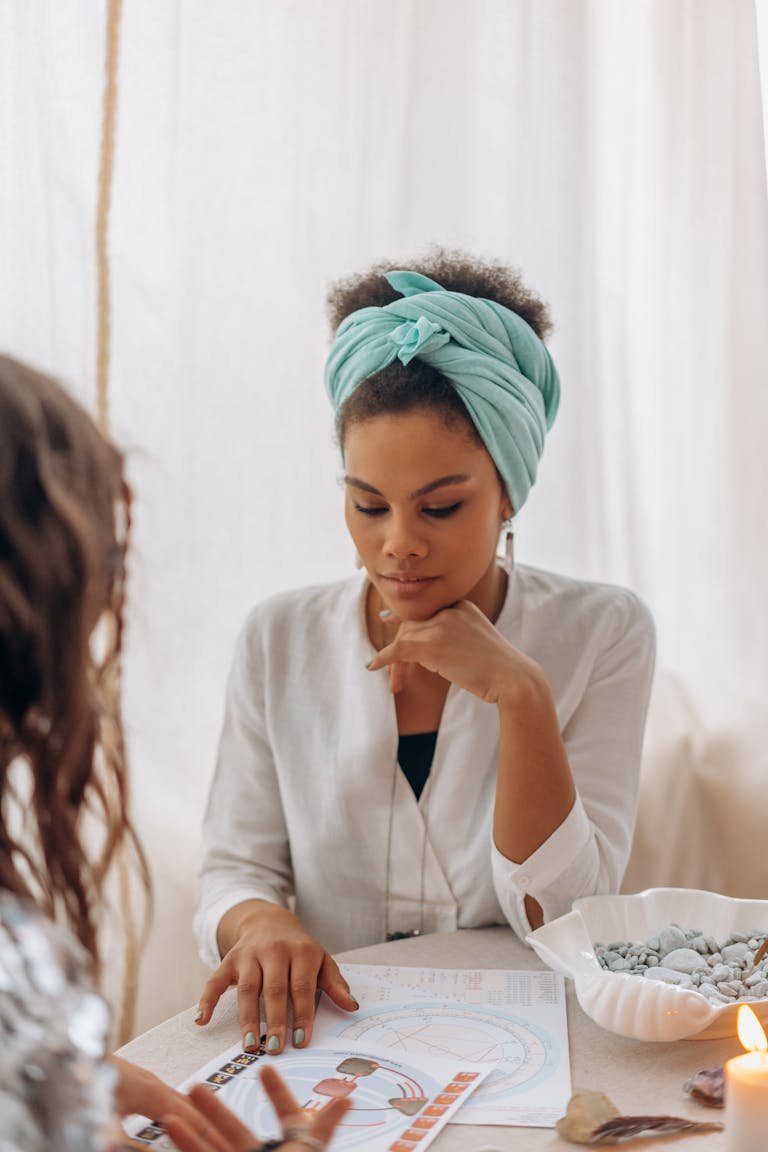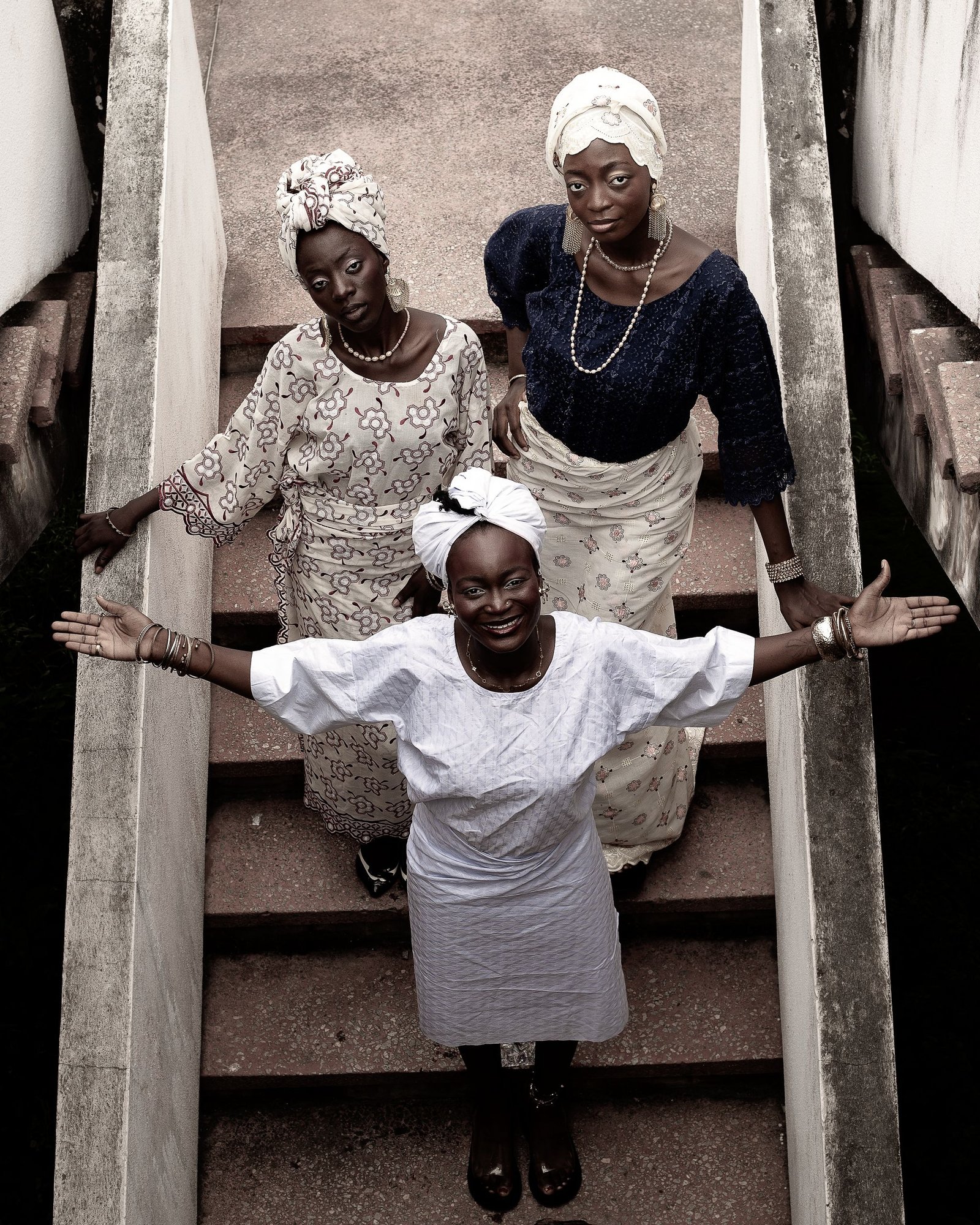
On the surface, we celebrate the magic of sisterhood. We share memes about Black girl brilliance, attend vibrant brunches, and proclaim that community is our greatest superpower. Yet behind closed doors, so many of us nurse deep, unvoiced scars left by other women.
Perhaps you trusted a close friend with your tender dreams, only to have them ridiculed or shared in workplace gossip. Maybe you experienced betrayal, sudden exclusion from a social circle, or the painful sting of a woman competing with you instead of cheering you on.
Over time, these cuts accumulate. We become hyper-independent, telling ourselves: “I prefer the company of men,” “Women bring too much drama,” or “I only keep my circle to myself.”
At Fematin958 Intl, our spirit-led sanctuary work begins by naming this heartache with radical honesty and tenderness. Isolating yourself may protect you from future disappointment, but it also starves your soul of the profound medicine that only sacred female companionship can provide.
We were never created to navigate this earthly walk alone. Healing the sisterhood wound is about dismantling the invisible walls of suspicion so we can rebuild genuine, trustworthy, and sacred community with one another.
The Cultural Anatomy of the Sisterhood Wound
To mend a broken bond, we must first understand why the fracture exists in the first place. The sisterhood wound among Black women does not stem from an innate inability to get along. Rather, it is a direct symptom of intergenerational survival stress, societal marginalisation, and artificial scarcity.
Pioneering psychological research by scholars such as Dr Joy DeGruy, author of Post Traumatic Slave Syndrome, demonstrates how centuries of systemic oppression and trauma altered relationship patterns within Black communities.
Under historical systems of enslavement and colonialism, women were routinely pitted against one another for basic survival, favour, and resources. Motherhood, beauty, and labour were weaponised to divide us. When an oppressive environment teaches a group that there is only room for one of them at the table, competition becomes an unconscious survival reflex.
Furthermore, contemporary social science literature examining intra-group dynamics highlights the phenomenon of “horizontal hostility.” When marginalised groups feel powerless against towering external systems of injustice, unaddressed frustration, grief, and anger often get directed laterally at peers who look just like them.
We scrutinise each other’s tone, hair, skin shade, romantic status, and parenting choices with unforgiving severity. A sister’s success inadvertently triggers our own unhealed feelings of inadequacy. We begin viewing another woman not as a mirror of our divine potential, but as a threat to our fragile sense of security.
In African spiritual traditions, women are regarded as the carriers of life, water, and communal balance. In Yoruba cosmology, the collective power of women is deeply revered. When women stand shoulder to shoulder, their combined energy can alter the course of generations.
Systemic forces have always understood this spiritual truth; dividing women has historically been the quickest way to weaken the entire collective. Healing this wound is therefore not merely a personal lifestyle choice: it is a revolutionary act of ancestral restoration.
Phase One: The Remembering
The road back to authentic sisterhood begins with the sacred movement of The Remembering. Before we can build safe friendships in the present, we must remember the ancient truth of who we were to each other before pain taught us to be suspicious.
Throughout West Africa and the wider diaspora, women historically formed powerful collective networks that anchored the entire community. In Yoruba culture, we see this reflected in sacred institutions such as the Egbe, peer spiritual societies that provided emotional, financial, and spiritual support across every life stage.
We also recognise the authority of Iyalode, the representative of women’s voices in civic and spiritual governance.
Our foremothers ran market cooperatives, took turns nursing each other’s babies, sang together while harvesting crops, and gathered at rivers to wash away sorrow. They understood that an individual woman’s joy was everyone’s harvest, and an individual woman’s grief was everyone’s responsibility to carry.
During The Remembering, we look back through our personal histories with clear and compassionate eyes:
- When did you first learn that other girls or women were your rivals rather than your sisters?
- Did you watch your mother or aunties isolate themselves, warning you that “friends will only betray you”?
- Did you witness female relatives tear each other down through jealousy and backbiting, rather than resolving conflict with maturity?
- What ancestral blessings of female solidarity were interrupted in your specific family lineage?
Remembering allows us to see our personal betrayals within a wider, historical landscape. When a friend hurt you in the past, she was likely acting out of her own unhealed trauma, fear of abandonment, or learned scarcity.
Acknowledging this reality does not excuse harmful behaviour, but it frees you from taking it as definitive proof that women cannot be trusted. Remembering helps you recall that sisterhood is your divine birthright, waiting to be reclaimed.
Phase Two: The Unveiling
Once we have reconnected with our ancestral memory, we move courageously into The Unveiling. In this phase, we step in front of the spiritual mirror and tell ourselves the whole, unvarnished truth about how we navigate relationships with other women today.
It is easy to recount every time another woman has let us down. It requires far more spiritual maturity to examine how our own defensiveness, unhealed wounds, and projection contribute to the disconnect.
The Unveiling invites you to reflect honestly on these questions:
- The armour of comparison: When another woman enters the room looking radiant, successful, or peaceful, does your spirit instantly celebrate her, or do you find yourself silently picking apart her appearance, mannerisms, or achievements?
- Emotional withholding: Do you keep potential friends at arm’s length, sharing only your polished successes while hiding your real struggles because you fear being judged or gossiped about?
- Weaponised silence: When a disagreement arises with a friend, do you shut down, deploy the silent treatment, and cut her off without giving the relationship a chance to communicate and repair?
- The gossip trap: Do you bond with certain women over mutual criticism of someone else, confusing shared judgment for genuine emotional intimacy?
Lifting the veil teaches us that hyper-vigilance is simply fear wearing a mask of sophistication. When we expect women to betray us, we subconsciously interpret innocent mistakes, busy schedules, or poor communication as intentional hostility. We create the very isolation we dread.
To heal the sisterhood wound, you must be willing to put down your magnifying glass and pick up a mirror. You must ask yourself: “Am I embodying the kind of safe, non-judgmental, and generous sister that I long to welcome into my own life?”
Phase Three: The Reclaiming
The final transformation is The Reclaiming. This is where insight transforms into daily, embodied spiritual practice. We choose to rebuild trust one conscious choice at a time, establishing clear boundaries, practicing vulnerability, and returning to the sacred circle of women.
Reclaiming does not mean you throw open your doors to every woman you meet without discernment. Trust is not given away blindly; it is built through consistent, respectful actions over time. Sacred sisterhood honours both healthy boundaries and deep tenderness.
Here are grounded, spirit-led practices to help you heal the sisterhood wound and call in authentic connections:
- Practice vocal celebration of other women. Make a conscious habit of speaking life into your sisters. When you see a woman doing something wonderful, tell her directly without hesitation.
- Master the art of clean, direct conflict. Mature relationships are not defined by the absence of disagreements, but by how disagreements are handled. If a sister hurts your feelings, resist the temptation to vent to three mutual acquaintances.
- The ritual of the sweet water blessing for sisterhood. In many African diasporic traditions, fresh, sweet water represents the cleansing, soothing, and fertile energy of the divine feminine. Take a glass bowl filled with spring water. Add a few drops of pure honey, fresh mint leaves, and white rose petals.
Returning to the Sacred Circle
There is an unmatched spiritual medicine that flows when conscious, grounded women gather in true alignment. It is the medicine that eases anxiety, untangles chronic self-doubt, and reminds you of your divine origin. When you sit in a circle of women who truly love you, you do not have to perform, pretend, or protect yourself. You can simply take off your heavy crown, soften your belly, and rest.
Do not let the pain of the past rob you of the community that belongs to your future. The women who hurt you in previous seasons were not the final chapter of your story: they were simply unhealed souls who crossed your path while you were still learning discernment.
Forgive the past, release the bitterness, and open your heart once again. Somewhere nearby, another sister is praying for the exact warmth, wisdom, and authenticity that you carry within your spirit. Reach out your hand, step forward with grace, and take your rightful seat in the circle. The collective is waiting for you.
Book a 15-minute free Call with me – Learn to recognize and transform the negative patterns that may be holding you back and use them for your good. https://gloriaogunbadejo.com/15-minutes-call/