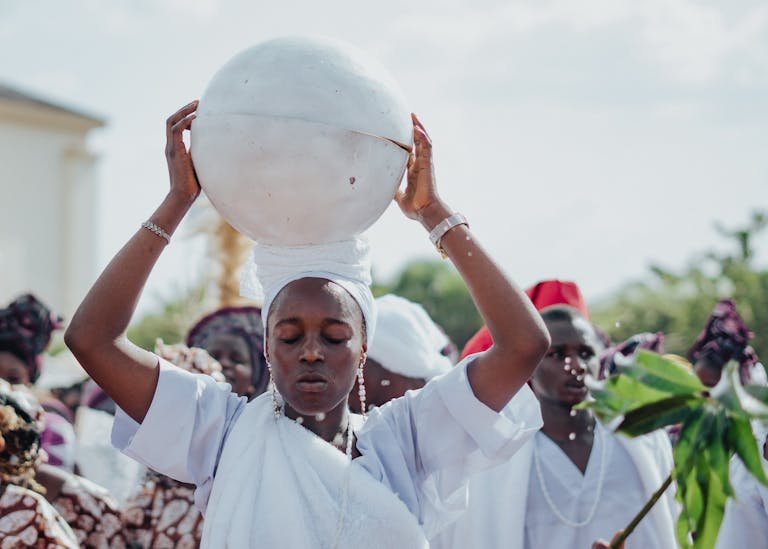
Have you ever felt as though the struggles you face today aren’t entirely your own? Perhaps you’ve noticed patterns of emotional pain, conflict, or fear that seem to echo across generations in your family. These experiences may stem from something deeper than your personal history — they could be the legacy of intergenerational trauma. But there is hope.
Ancestral healing, a powerful practice rooted in reconnecting with the wisdom and experiences of your ancestors, offers a path to break free from the cycles of the past and heal both yourself and your lineage.
The Hidden Inheritance of Intergenerational Trauma
Intergenerational trauma is more than just an abstract concept; it’s a tangible force that affects families and communities across the African diaspora.
The trauma of slavery, colonization, and forced migration, just to name a few has left indelible marks on the collective psyche of people of African descent. These deep-seated wounds often manifest in emotional pain, self-limiting beliefs, and fractured family relationships that are passed down through generations.
As you carry this inherited trauma, it can feel like you’re trapped in a cycle of suffering — but ancestral healing allows you to confront these patterns and break free.
Studies in epigenetics show that trauma can be transmitted biologically through generations, altering the way genes are expressed in descendants of trauma survivors.
Epigenetics explores how cells manage gene activity without altering the DNA sequence itself. The term “epi-” originates from Greek, meaning “on” or “above,” indicating influences beyond the genetic code. Epigenetic changes involve modifications to DNA that determine whether genes are activated or silenced.
According to research published by The American Journal of Psychiatry, the descendants of trauma survivors often experience heightened stress responses and mental health challenges, even if they did not directly experience the traumatic events themselves.
This scientific evidence underscores the urgency of addressing not only your personal experiences but also the inherited trauma carried by your ancestors.
Increase Your Understanding Of Ancestral Healing
Ancestral healing is a spiritual and emotional process that involves reconnecting with your ancestors to address unresolved traumas and reclaim the wisdom they carry.
Rooted in African spiritual traditions, this practice recognizes the sacred connection between you and those who came before you. By healing ancestral wounds, you honor your roots while transforming the energy passed down through your family line.
African cultures have long held that the spirits of the ancestors are a source of guidance, protection, and wisdom. Through ceremonies, such as rituals, and prayers, you can open channels to connect with these ancestral spirits, allowing their experiences to inform your healing journey.
Unlike modern therapeutic methods that focus on individual experience, ancestral healing encompasses the broader, communal aspects of identity, history, and culture — elements that are essential to the African diaspora.
In practice, ancestral healing involves creating altars to honor your ancestors, participating in rituals that invoke their presence, and seeking their guidance to help you release past traumas.
By doing this, you are not only healing yourself but also allowing your ancestors’ stories to become a source of strength and empowerment.
The Power of Ancestral Healing for Personal and Collective Transformation
The transformation that comes through ancestral healing is profound. By tapping into the resilience and wisdom of your lineage, you can liberate yourself from the traumas that have plagued your family for generations.
The process is deeply personal, but it also has far-reaching effects, allowing you to heal your family’s past and create a brighter future for generations to come.
Take, for example, a woman of African descent who felt disconnected from her cultural heritage and burdened by the weight of unresolved family conflict. Through ancestral healing, she reconnected with her ancestors through rituals and meditation, uncovering a history of strength and resilience that had been hidden beneath the trauma of enslavement.
As she healed, she noticed not only an improvement in her emotional well-being but also a shift in her relationships with family members. The collective energy of her family was transformed, breaking cycles of dysfunction that had persisted for generations.
What this means is that by engaging in ancestral healing, you can unlock similar transformations. You’ll begin to see that the pain and trauma you’ve carried aren’t personal failures, but remnants of a larger historical narrative.
Releasing that pain through ancestral healing allows you to step into your own power with greater clarity and purpose.
Beginning Your Journey of Ancestral Healing
Starting your own journey of ancestral healing doesn’t require elaborate ceremonies or deep knowledge of your family tree. You can begin with small steps and build your practice over time.
First, acknowledge the patterns of trauma in your life. Are there recurring struggles in relationships, self-esteem, or emotional health that feel rooted in something deeper than your own experiences? Recognizing these patterns is the first step toward healing.
Next, explore your roots. Even if your family history has been obscured by displacement or colonization, you can still connect with the wisdom of your ancestors. Research your lineage, talk to elders in your community, or simply set an intention to honor your ancestors through prayer and meditation.
Genealogical research, according to familysearch.org is a process. It added that most researchers use a cycle of five steps to help them find sources to document their ancestors’ lives:
- STEP 1: Identity What You Know
- STEP 2: Decide What You Want to Learn
- STEP 3: Select Records to Search.
- STEP 4: Obtain and Search the Records.
- STEP 5: Evaluate and Use the Information.
Consider also that rituals for ancestral healing can be as simple as creating an altar in your home where you honor your ancestors with offerings such as food, water, or incense. Meditating on their presence, asking for their guidance, and offering prayers for their healing can initiate profound shifts in your life.
Finally, consider seeking the guidance of a trained healer who can help you navigate this process. A professional like Rev Gloria Tinu Ogunbadejo, an ancestral healing coach, can offer personalized support on your journey.
By blending ancient wisdom with powerful healing ceremonies, she helps spiritually conscious individuals reconnect with their roots and heal generational trauma. Under her guidance, you can experience transformative lineage healing practices that unlock your ancestors’ wisdom and empower you to step into your true potential.
Overcoming Challenges and Misconceptions
As with any spiritual practice, ancestral healing can be met with challenges and misconceptions.
In some communities, the idea of ancestral healing may be seen as conflicting with religious or modern beliefs. However, ancestral healing is not about replacing your current spiritual or religious practices; it is about complementing them by acknowledging the role of your ancestors in your life.
Some may fear confronting the painful pasts of their ancestors but remember that healing does not mean reliving trauma — it means releasing it. By working with trained healers and honoring your own emotional boundaries, you can approach ancestral healing with compassion for both you and your ancestors.
Healing Beyond the Self: A Path to Collective Transformation
Ancestral healing doesn’t stop with you. When you heal, you create ripple effects that extend beyond your immediate experience. Your family dynamics can shift, and future generations are liberated from the emotional burdens of the past. In many ways, ancestral healing is a collective process — one that not only restores balance to your family line but also contributes to the healing of entire communities.
Imagine the power of communities within the African diaspora, united not only by shared cultural histories but also by a commitment to healing those histories. By reconnecting with your ancestors and healing intergenerational trauma, you become part of a larger movement toward reclaiming identity, power, and purpose for yourself and future generations.
Moving Forward by Looking Back
The journey of ancestral healing is one of the most profound gifts you can give yourself and your lineage. By addressing the unresolved traumas of the past, you can liberate yourself from patterns that have weighed you down and open the door to personal empowerment, deeper relationships, and a brighter future for your descendants.
If you’re ready to embark on this transformative journey, consider working with Rev Gloria Tinu Ogunbadejo, who specializes in helping spiritually conscious individuals heal generational trauma.
Her expertise in blending ancient wisdom with powerful ceremonies can guide you through a lineage healing process that reconnects you with your roots and brings profound healing to both yourself and your ancestors.
Now is the time to break free from the chains of the past. Through ancestral healing, you have the power to heal generations — both past and future.