Imagine the transformative power of reconnecting with your roots—of finding solace and healing in the wisdom of your ancestors. This journey is not just about exploring your family history; it’s about addressing the deep-seated pain that has been passed down through generations.
Intergenerational trauma, a concept gaining increasing recognition, affects many people of African descent. Through ancestral healing, you have the potential to not only honor your lineage but also to begin a profound healing process that can transform your life.
Understanding Intergenerational Trauma
Intergenerational trauma refers to the transmission of trauma from one generation to the next. This can manifest through various means, such as family dynamics, societal stressors, and cultural dislocation.
For African-descended communities, this often involves the legacies of slavery, colonialism, and systemic racism. According to Dr. Joy DeGruy, an expert in this field, “the pain and suffering endured by one generation can reverberate across generations, affecting subsequent ones in profound ways”.
Manifestations in Modern Life
The effects of intergenerational trauma are often seen in mental health issues like anxiety, depression, and identity struggles. Socially, these issues can impact family relationships, community cohesion, and even one’s ability to engage with broader societal structures.
This trauma might manifest as a lack of trust, chronic stress, or difficulties in forming healthy relationships.
The Concept of Ancestral Healing
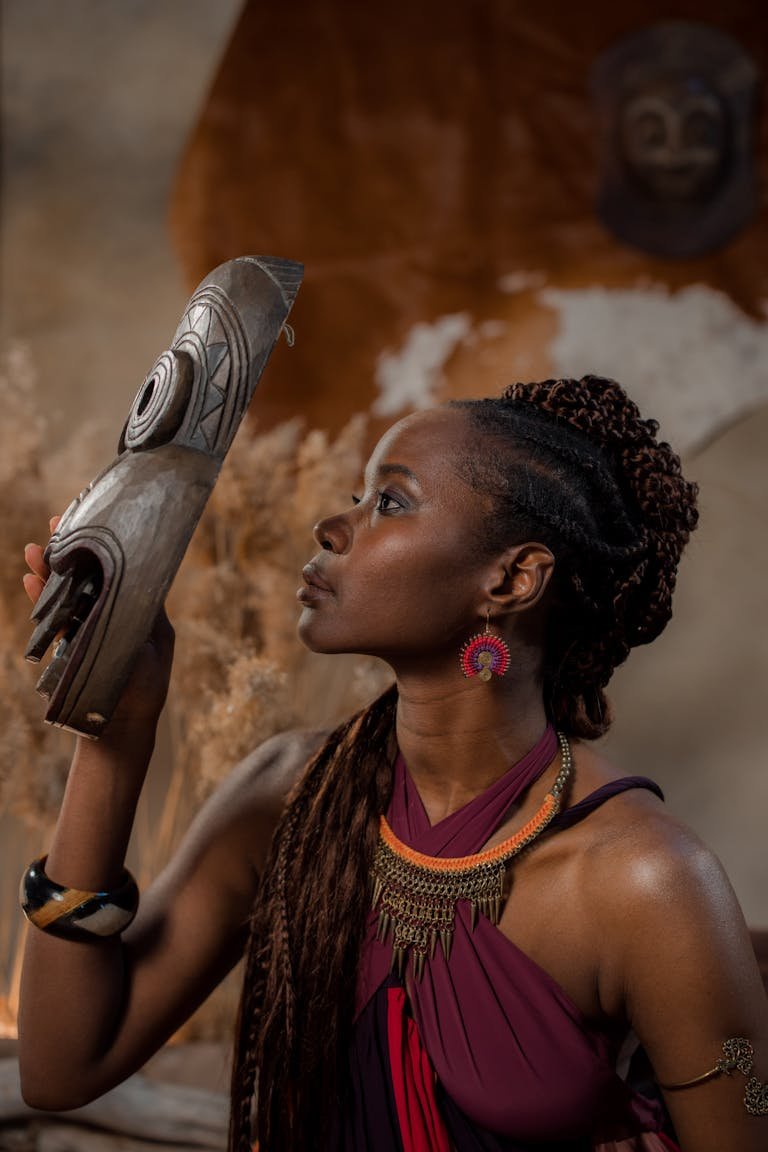
Ancestral healing has its roots in various African cultures, where connecting with ancestors has been a cornerstone of spiritual and cultural practices. These traditions survived and adapted through the diaspora, evolving into practices that are accessible and meaningful today. Ancestral healing involves reconnecting with these traditions to seek guidance and support.
Principles of Ancestral Healing
At its core, ancestral healing is about building a relationship with your ancestors and drawing on their wisdom. This relationship can be nurtured through rituals, ceremonies, and storytelling, which help bridge the gap between the past and the present.
Spirituality often plays a crucial role in these practices, providing a framework for understanding and integrating ancestral guidance into your life.
Practical Steps to Engage in Ancestral Healing
Start by establishing a connection with your ancestors. This can be done through meditation, prayer, or creating an ancestral altar in your home. Such a space can include photographs, personal mementos, or symbolic items that represent your ancestors. This practice allows you to honor and invite their presence into your daily life.
Engaging with Ancestral Knowledge
Researching your family history and engaging with oral traditions can provide valuable insights into your ancestral heritage. Speak with family elders and consult cultural practitioners who can offer wisdom and guidance. Understanding your family’s stories and struggles can help you gain perspective on your own life challenges.
Healing Practices and Rituals
Incorporate traditional ceremonies and rituals into your life. These might include ceremonies of remembrance, offerings, or celebrations of ancestral milestones.
Modern adaptations of these practices, such as personalized rituals or community gatherings, can also be effective. Community involvement in these practices can enhance their impact, fostering collective healing.
Personal and Community Impact
Engaging in ancestral healing can lead to significant personal growth. You might find increased self-awareness, emotional resilience, and improved mental health. By addressing the roots of your trauma, you can start to heal old wounds and embrace a more positive outlook on life.
Collective Benefits
On a community level, ancestral healing can strengthen cultural identity and social bonds. It can also address systemic challenges by fostering a sense of unity and collective purpose.
As communities come together to heal, they can confront and overcome systemic inequalities and build a more supportive environment for future generations.
Case Studies and Success Stories
Consider the story of Maya, who found profound healing by reconnecting with her ancestral roots through ritual and storytelling. Her journey helped her overcome deep-seated anxiety and reclaim her sense of identity.
Similarly, Tude engagement with his family’s history provided him with tools to address long-standing family conflicts, leading to improved relationships and personal peace.
Community Initiatives
Organizations such as the African American Cultural and Heritage Facility offer programs focused on ancestral practices and community healing. These initiatives demonstrate how collective efforts in ancestral healing can lead to positive changes and support within the community.
Resources and Further Reading
To dive deeper into ancestral healing, consider reading works such as “Post-Traumatic Slave Syndrome” by Dr. Joy DeGruy and “The Healing Wisdom of Africa” by Malidoma Patrice Somé. These texts provide valuable insights and practical guidance for those interested in exploring ancestral healing.
Organizations and cultural practices are equally valuable. Explore resources offered by organizations like the Black Cultural Archives and cultural practitioners specializing in ancestral healing. Their expertise can guide you in your journey toward understanding and integrating ancestral wisdom.
What about online platforms and tools? Websites such as African Ancestry and online communities like Ancestral Voices offer tools and support for connecting with your heritage and engaging in ancestral practices.
Conclusion
Reflect on the transformative potential of ancestral healing. By engaging with your ancestors and incorporating their wisdom into your life, you can begin a journey of profound personal and collective healing.
Embrace this opportunity with an open heart and mind and honor the legacy of those who came before you. Your journey towards healing can not only enrich your life but also positively impact your community and future generations.