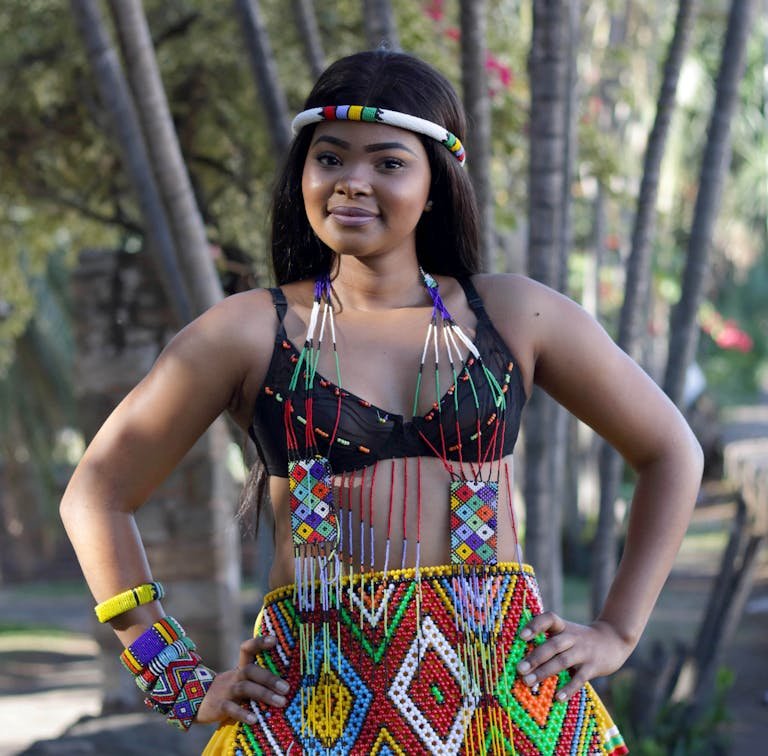
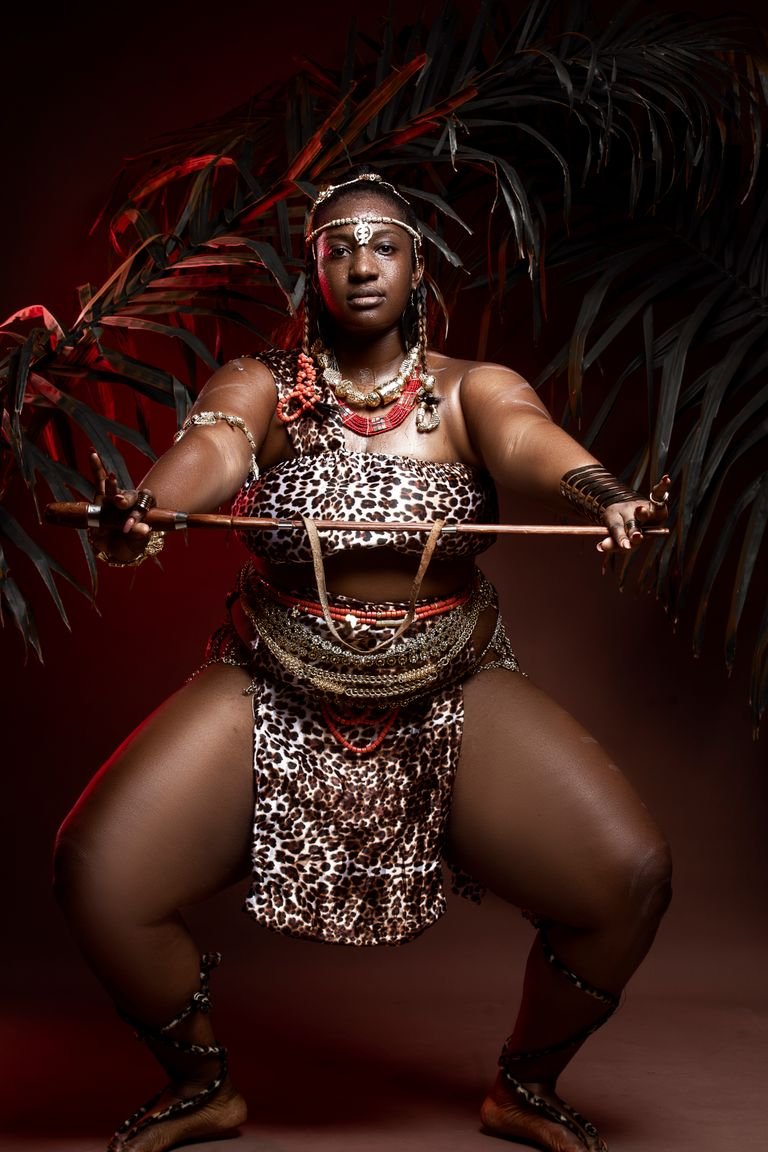
In today’s fast-paced world, where stress and anxiety seem to lurk around every corner, the quest for inner peace and healing has become more urgent than ever before. Yet, amidst the chaos of modern life, there lies a profound source of wisdom that has withstood the test of time: the ancestral arts of Africa.
In this article, we will delve into the transformative power of African dance, music, and crafts as pathways to healing and wholeness.
Embedded within the rich history of African cultures is the tradition of healing that extends far beyond the individual to encompass the collective experience of generations past.
Ancestral healing acknowledges the interconnectedness of past, present, and future, recognizing that the wounds of our ancestors continue to reverberate through our lives today.
By embracing ancestral wisdom, we can begin to heal not only ourselves but also the generational trauma that has been passed down through our lineage.
The Healing Power of African Dance
African dance is more than just movement; it is a rhythmic expression of the soul that has been used for centuries to heal, celebrate, and connect with the divine.
Through the primal beats and rhythms of traditional African music, dancers can tap into a deeper state of consciousness, releasing pent-up emotions and restoring balance to mind, body, and spirit.
Whether it’s the energetic movements of the West African Djembe or the graceful steps of South African Gumboot dancing, African dance offers a powerful means of reconnecting with our roots and rediscovering our innate vitality.
There is the fun part: Studies have shown that listening to African music can reduce stress, lower blood pressure, and promote feelings of well-being, making it a potent tool for healing and relaxation in today’s hectic world. Here are three ways to explore the healing power of African dance:
Cultural Immersion and Participation:
Engaging in African dance classes or workshops can provide an immersive experience that allows individuals to connect with the healing power of the dance form.
Learning traditional African dance movements, rhythms, and expressions fosters a deeper understanding of the cultural context and significance of the practice.
By actively participating in the dance, individuals can experience the therapeutic benefits firsthand, including stress relief, emotional release, and a sense of connection with oneself and the community.
Embodied Expression and Release:
African dance emphasizes embodied expression, allowing individuals to connect with their bodies, emotions, and ancestral wisdom.
Through rhythmic movement, dancers can release tension, trauma, and blocked energy stored in the body, promoting physical and emotional healing.
The dynamic and expressive nature of African dance encourages participants to tap into their inner strength, resilience, and creativity, fostering a sense of empowerment and self-discovery.
Ritual and Ceremony:
Many African cultures incorporate dance into rituals and ceremonies for healing, celebration, and spiritual connection.
Participating in or observing traditional African dance ceremonies provides a profound experience of communal healing and collective consciousness.
These rituals often involve drumming, chanting, and intricate dance movements that invoke ancestral spirits, promote unity, and restore balance within individuals and communities.
By honoring ancestral traditions and sacred practices, participants can access the transformative power of African dance for holistic healing and spiritual renewal.
Crafting Wholeness: The Art of Ancestral Crafts
In the hands of skilled artisans, traditional African crafts are now becoming more than just objects; they are turning into true expressions of culture, heritage, and identity.
From the well-woven baskets to beautifully carved masks, each piece tells a story of craftsmanship and creativity that has been passed down through generations.
Now this is what you must know: Engaging in ancestral crafts not only allows us to connect with our roots but also provides a therapeutic outlet for self-expression and creativity.
Whether it’s sculpting clay pots or weaving intricate textiles, the act of crafting can be a deeply healing and meditative practice.
Navigating the Journey of Ancestral Healing
As we embark on the journey of ancestral healing, it’s important to approach it with an open heart and a willingness to embrace the unknown. Incorporating ancestral arts into our daily lives doesn’t require elaborate rituals or special equipment; it can be as simple as dancing to the rhythm of our favorite African music or spending an afternoon creating art with our hands.
By honoring the wisdom of our ancestors and reconnecting with our cultural heritage, we can tap into a source of healing and wholeness that has been with us all along. Here are three recommendations, especially if you are a beginner:
Self-Reflection and Awareness:
Embarking on the journey of ancestral healing begins with self-reflection and cultivating awareness of one’s personal history, familial dynamics, and inherited traumas.
Taking time to explore one’s own experiences, beliefs, and emotions related to family heritage can provide valuable insights into the ways ancestral wounds may be impacting present-day life.
Practices such as journaling, meditation, and mindfulness can support individuals in developing a deeper understanding of themselves and their ancestral lineage.
Seeking Guidance and Support:
Navigating the complexities of ancestral healing often requires support from others who can offer guidance, wisdom, and validation along the way.
Seeking mentors, therapists, or spiritual teachers with expertise in ancestral healing can provide invaluable support and perspective.
Additionally, connecting with supportive communities or cultural groups that honor and engage in ancestral healing practices can create a sense of belonging and solidarity on the healing journey.
Sharing experiences, receiving encouragement, and learning from others who have walked a similar path can foster resilience and empowerment.
Honoring Ancestral Wisdom and Traditions:
An integral aspect of ancestral healing involves honoring the wisdom, traditions, and legacies passed down through generations.
Engaging in rituals, ceremonies, and practices that connect individuals with their ancestors can be a powerful way to cultivate a sense of reverence and gratitude for the guidance and resilience of those who came before.
This may involve setting up ancestral altars, performing rituals to honor ancestors, participating in cultural ceremonies, or reclaiming traditional healing practices.
By acknowledging and embracing ancestral wisdom, individuals can strengthen their connection to their roots and draw upon the resilience and wisdom of their ancestors to support their healing journey.
Conclusion
In a world that often feels disconnected and fragmented, the ancestral arts of Africa offer a beacon of hope and healing. By embracing the wisdom of our ancestors and reclaiming our cultural heritage, we can find solace, strength, and resilience in the face of life’s challenges.
As we dance to the rhythms of our ancestors, listen to the melodies of our heritage, and create beauty with our hands, we are reminded of the profound interconnectedness of all things and the healing power that resides within each of us.