There is a specific kind of ache that many of us in the Diaspora carry. It is a quiet, persistent longing that often feels like trying to remember the lyrics to a song you haven’t heard since childhood. You know the melody is there, humming in your blood, but the words remain just out of reach.
For many Black individuals raised outside of traditional African practices, this feeling is frequently accompanied by a sense of “not being African enough” or a fear that the bridge to our ancestors has been permanently burned.
I want to tell you right now, with all the love and certainty in my heart: that bridge is not gone. It is simply waiting for you to clear the path.
Cultural disconnection is not a life sentence. It is not a personal failure or a sign that you have been abandoned by your lineage. It is a byproduct of history, migration, and the systemic effort to distance us from our roots. But our traditions are resilient.
They live in our DNA, our rhythms, and our resilience. Re-rooting is not about performing a perfect ritual or speaking a language fluently overnight. It is about the sacred act of coming home to yourself.
The Myth of the “Perfect” Connection
Many people hesitate to begin their spiritual journey because they feel like imposters. You might worry that you don’t know the “right” way to set up an altar, or that you’ll offend the ancestors by not knowing the specific Yoruba or West African protocols. This hesitation is what I call the “shame of the disconnected.”
We must dismantle the idea that you need a PhD in anthropology or a lifetime of immersion to belong to your own heritage. Your ancestors know exactly who you are. They saw the journey your family took.
They understand the silence that was forced upon previous generations for the sake of survival. When you take your first step toward them, they do not meet you with judgment; they meet you with a sigh of relief.
The journey of re-rooting follows the three sacred phases we honour at Fematin958 Intl: The Remembering, The Unveiling, and The Reclaiming.
Phase One: The Remembering
The first step is not external; it is internal. Before you buy a single candle or book a flight, you must begin the process of The Remembering. This is the stage where we acknowledge the void and validate the longing.
Cultural disconnection often feels like a fog. To clear it, we start with what we have. You may not have a family tree that goes back five hundred years, but you have your own stories.
- Audit your sensory memory: Think back to the scents in your grandmother’s kitchen, the way your mother braided your hair, or the specific way your elders laughed. These are cultural markers. In the African Diaspora, our traditions were often hidden in plain sight, tucked into recipes, hair care, and “superstitions” that were actually encoded spiritual protections.
- Give yourself permission to be a beginner: Release the pressure to be an expert. Re-rooting is a marathon, not a sprint. Start by simply saying out loud, “I am ready to know who I am.”
Phase Two: The Unveiling
Once we accept our desire to connect, we enter The Unveiling. This is where we look at the barriers that have kept us disconnected. Often, these barriers are built from intergenerational trauma.
Perhaps your parents turned away from tradition to fit into a Western religious framework, or maybe the pain of the past was too heavy to talk about, so they chose silence instead.
Unveiling involves looking at these patterns without shame. We begin to peel back the layers of Western conditioning that told us our ancestral ways were “primitive” or “wrong.”
Practical Steps to Begin Your Reconnection:
- Start a Research Journal: Treat your history like a treasure hunt. If you know the region your family is from, look into the specific ethnic groups of that area. Read about Yoruba cosmology, Igbo traditions, or the syncretic faiths of the Caribbean and Brazil. Don’t worry about “choosing” one yet. Just listen to what resonates in your spirit.
- The Power of Names: Look into the meanings of your family names. Even if they are colonial names, there is often a story of survival behind how they were chosen. If you feel led, you might even explore traditional naming customs to find a name that reflects your soul’s purpose.
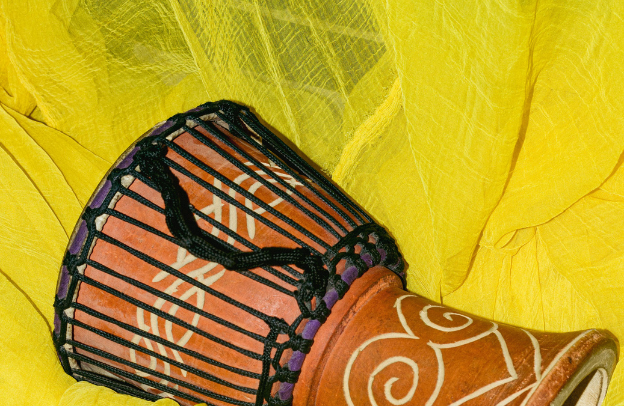
- Engage with the Arts: Our ancestors communicated through drum, dance, and textile. Listen to traditional music. Look at the patterns of Kente or Adinkra symbols. These are not just decorations; they are a visual language. Let your eyes and ears become accustomed to the aesthetics of your heritage.
Phase Three: The Reclaiming
The final phase is The Reclaiming. This is the active, grounded work of building a personal practice. This is where you move from being an observer to being a participant in your own culture.
Reclaiming does not require a temple. Your body is the first temple, and your home is the second. You can begin to weave African diasporic traditions into your daily life through simple, sacred acts.
- Ancestral Veneration: This is the heartbeat of most African traditions. It can be as simple as placing a glass of clean water and a white candle on a dedicated shelf. Speak to your ancestors. Tell them your name. Tell them you are seeking their guidance. You don’t need a formal prayer; speak from the heart.
- Nature as a Bridge: In Yoruba cosmology, the Orishas and the spirits are intimately tied to the natural world. Spend time by the ocean, in the woods, or simply sitting with the earth in a local park. Ask the elements to help ground you. The earth remembers your ancestors even if you don’t.
- Community Connection: Seek out spaces where these traditions are celebrated with integrity. Whether it is a drumming circle, a storytelling workshop, or a spiritual mentorship programme, being around others who are on the same journey reminds you that you are not alone.
Overcoming the Fear of “Doing it Wrong”
One of the biggest hurdles to re-rooting is the fear of spiritual retribution or “getting it wrong.” We have been conditioned to believe that spiritual practice is about strict rules and punishment. However, African diasporic traditions are primarily about relationship.
Think of it like reconnecting with a long-lost relative. You might be awkward at first. You might say the wrong thing or feel a bit out of place. But if you come with a humble heart and a genuine desire to learn, the relationship will grow.
The ancestors are invested in your healing because your healing is their healing. When you heal the disconnection in yourself, you are mending a tear in the entire family fabric that may have been there for centuries.
The Beauty of the Hybrid Identity
For those of us in the Diaspora, our “roots” are unique. We are the fruit of a tree that has grown across oceans. Your identity as a Black person raised in London, New York, or Toronto is not a “watered down” version of African identity. It is a specific, powerful, and resilient expression of it.
Re-rooting isn’t about deleting your Western experience; it’s about integrating it with your ancestral wisdom. You are the bridge between the past and the future. By embracing your heritage, you become a “well ancestor” for those who will come after you. You are ensuring that the next generation won’t have to feel the same ache of disconnection that you did.
A Sacred Invitation
If you are feeling the tug of your ancestors, do not ignore it. That pull is a sacred invitation. It is your lineage calling you back to a place of power, clarity, and protection. You do not need to have all the answers today. You only need to have the courage to ask the questions.
The journey home is one of grace. There is no shame in having been lost when you were never given a map. But now, the stars are aligning to show you the way. Take a breath, place your hand on your heart, and remember: you belong to a vast, beautiful, and ancient story. It is time to write your next chapter.
Book a 15-minute free Call with me
Learn to recognise and transform the negative patterns that may be holding you back and use them for your good. Let us walk the path of The Remembering together and help you find your way back to the strength of your roots.