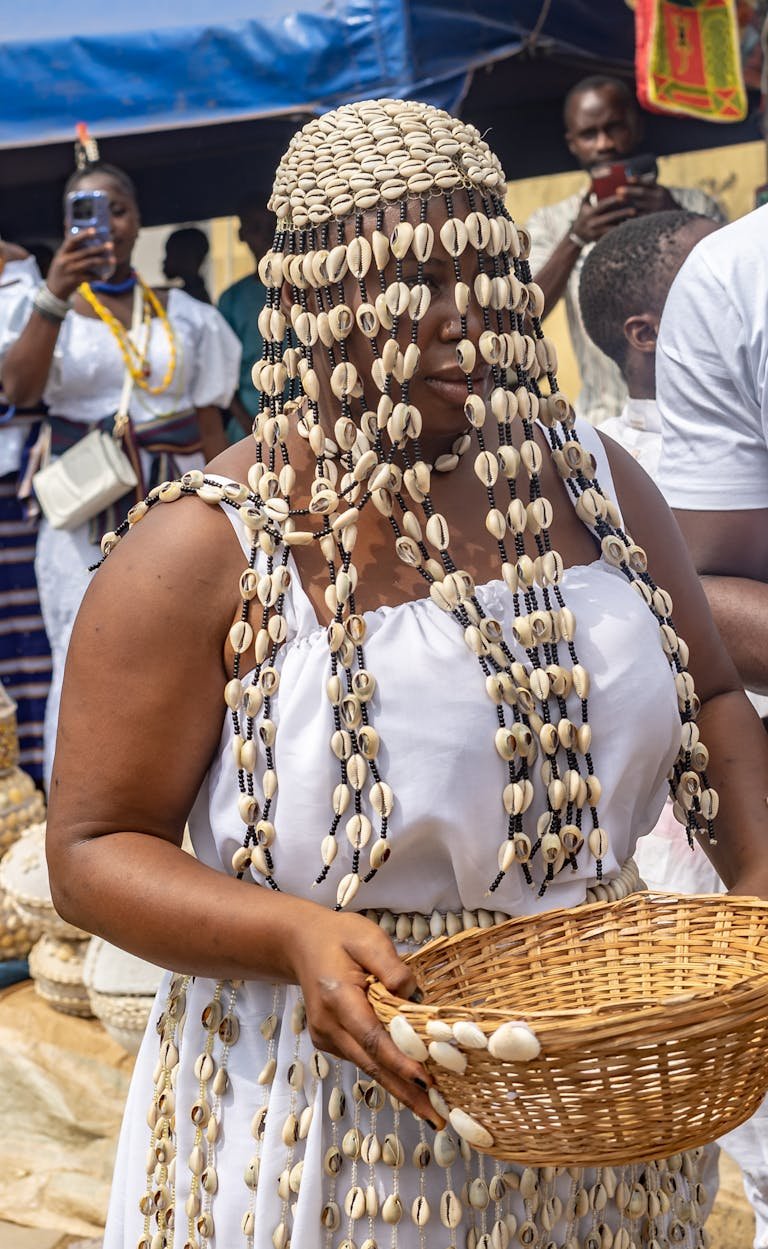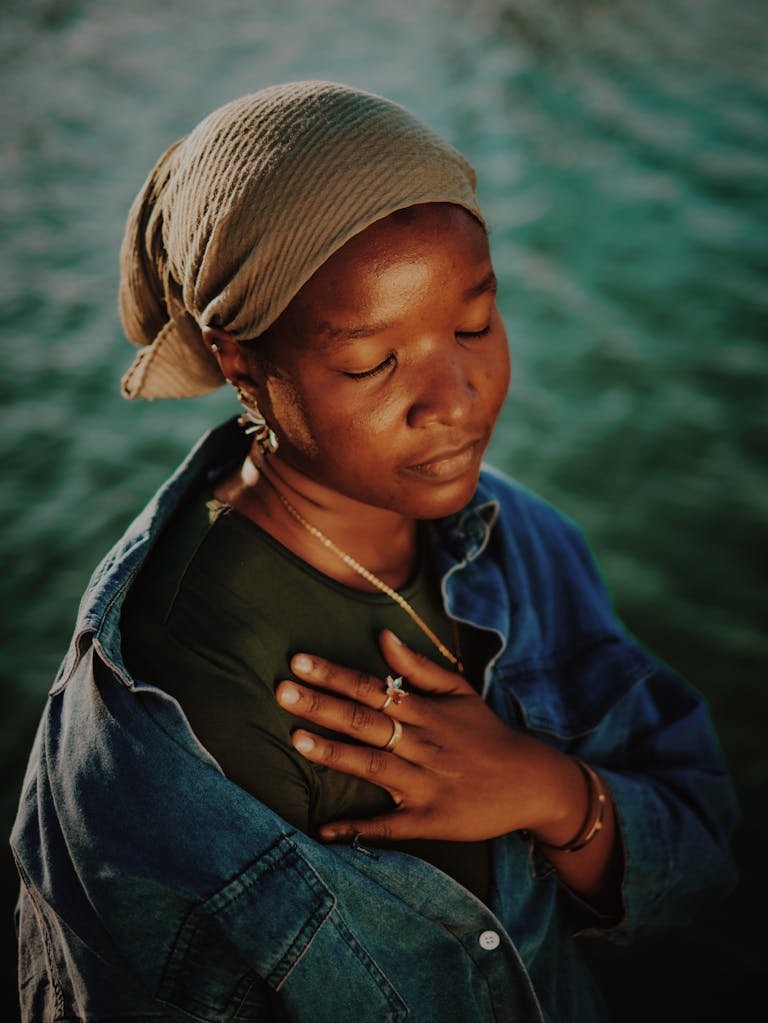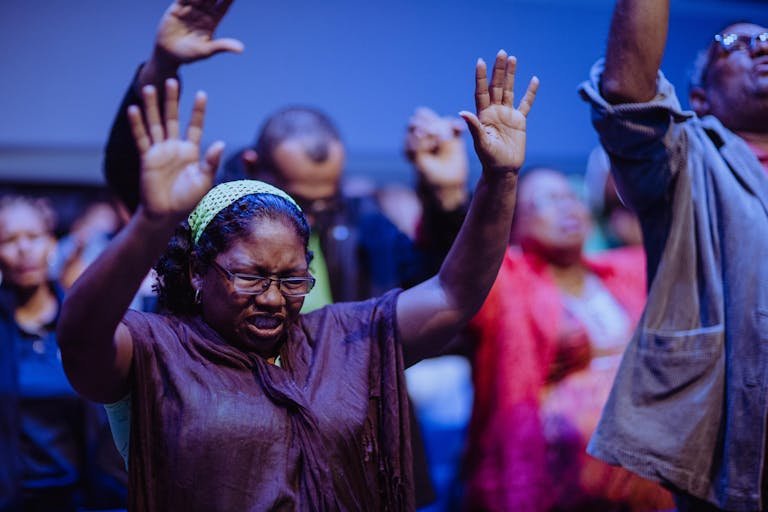
In every corner of the African diaspora, the echoes of maternal wisdom resound through time, manifesting in lullabies, liberation movements, healing rituals, and whispered prayers.
The Black matriarch, often misrepresented and misunderstood, is in truth the living embodiment of the Divine Mother: a sacred vessel of ancestral wisdom, spiritual sovereignty, and generational healing.
Reclaiming this identity is not simply a personal act of empowerment, but a communal imperative to restore what colonialism, enslavement, and cultural erasure tried to sever.
To walk this path is to embark on a spiritual journey through three distinct yet interwoven phases: The Remembering, The Unveiling, and The Reclaiming. This process invites us to retrieve the fullness of our lineage, to reveal the divine roles held by our foremothers, and to reclaim the sacred authority of the Black matriarch as a guiding force for our families and communities.
Restoring Ancestral Memory
Centuries of forced disconnection have left many in the diaspora estranged from their roots. Yet, ancestral memory lives on, embedded in language, music, foodways, ritual, and the resilience of Black womanhood. Healing begins with intentional remembrance.
Oral histories, spiritual practices, and cultural traditions hold the keys to reconnection. The practice of “othermothering,” a foundational structure in African American communities, exemplifies the communal transmission of cultural and spiritual knowledge, often through women who mother beyond biology.
Moving Beyond Stereotypes
Western media has long reduced the Black matriarch to harmful tropes: the overburdened caretaker, the domineering matron, the self-sacrificing saviour. These distortions obscure her sacred role as culture bearer, healer, and spiritual guide.
Our foremothers were midwives, herbalists, diviners, educators, and freedom fighters. They carried not only the burdens of survival but the codes of ancestral power.
Honouring the Divine Feminine in African Cosmologies
Within Yoruba spirituality, the force of the Divine Mother is expressed through the archetype of Ìyàmi Àjẹ́, the primordial mothers who govern creation, justice, fertility, and transformation.
Their presence lives within every Black woman who embodies compassion, clarity, and fierce protection. To remember Ìyàmi is to honour the original source of maternal wisdom and cosmic intelligence.
Recognising Spiritual Authority
Long before colonial institutions defined religion, Black women held spiritual authority through indigenous practices: drumming, divination, plant medicine, ancestral invocation, and communal care.
They created sacred spaces in kitchens, gardens, riverbanks, and churches. Their altars were acts of resistance and remembrance. In traditions like Hoodoo and Vodou, Black women served as rootworkers, midwives, and spiritual protectors, blending African cosmologies with new world adaptations.
The Matriarch as Cultural Genealogist
In Akan societies, the Asantehemaa (queen mother) serves as a political and spiritual counterpart to the king, responsible for tracing royal lineage, preserving tradition, and guiding succession.
This model illustrates the enduring role of elder Black women as genealogists, educators, and carriers of legacy in both traditional and diasporic contexts. Their wisdom sustains identity, continuity, and communal belonging.
Creative Resistance as Sacred Practice
Black matriarchal praxis often transcends traditional binaries, offering an expansive model of leadership rooted in care, intuition, and creative resistance. Through poetry, dance, culinary tradition, healing arts, and activism, Black women express divine agency.
This creativity becomes a channel for cultural memory and spiritual reclamation, reminding us that leadership does not require institutional validation to be legitimate.
Reclaiming Lineage Through Ritual and Story
Ritual is how we remember what history has attempted to erase. Altars, libations, ancestral meditations, and storytelling restore ancestral presence in our daily lives. These acts reconnect us with the wisdom of those who walked before us and affirm our place in a living lineage. Storytelling becomes ceremony, prayer becomes strategy, and remembering becomes a radical act of healing.
Healing Generational Trauma
Reclaiming the Divine Mother is also a therapeutic endeavour. Structured healing spaces rooted in ancestral wisdom allow for the integration of generational pain.
Programmes that centre African cosmologies, intergenerational dialogue, and ritual healing like those held at Fematin958 Intl provide the tools for transformation. Here, women are guided through the sacred phases of remembering, unveiling, and reclaiming to emerge aligned with their purpose.
Mentorship, Motherlines, and Collective Care
Rebuilding spiritual and familial motherlines requires intergenerational mentorship. The concept of the “othermother” persists today in the form of elder mentors, ceremonial leaders, and spiritual guides.
Reclaiming matriarchy means cultivating these bonds with intention: listening to elder wisdom, uplifting youth, and creating containers of accountability, healing, and care.
Embodied Sovereignty and Sacred Leadership
The contemporary Black matriarch is called to lead with ancestral consciousness. Whether in the home, the sanctuary, or the boardroom, she channels divine wisdom and intuitive strength.
Her leadership is not performative but embodied, sourced from spirit and grounded in community. In reclaiming this sacred authority, we redefine power on our own terms.
Why This Reclamation Matters
- Healing Intergenerational Wounds: Restoring matriarchal presence addresses inherited trauma, fragmentation, and loss of cultural identity.
- Restoring Spiritual Sovereignty: Reconnecting with ancestral traditions reinstates spiritual agency and self-definition.
- Affirming Black Womanhood: The full spectrum of Black womanhood—nurturer, protector, healer, visionary—is validated through ancestral remembrance.
- Strengthening Community Resilience: Matriarchal models foster collective care, interdependence, and cultural sustainability.
Practical Steps Toward Reclamation
- Establish Ancestral Altars: Create dedicated spaces to honour maternal ancestors with offerings, prayers, and sacred objects.
- Document Family Histories: Interview elder women, record oral histories, and archive photographs and recipes.
- Learn Traditional Healing Practices: Study African herbalism, midwifery, and spiritual rituals from verified sources or lineage holders.
- Form Sacred Circles: Gather regularly with women across generations to share ritual, story, healing, and visioning.
- Engage in Intergenerational Mentorship: Be mentored by elders and offer mentorship to younger women in your community.
- Embrace Ritual Leadership: Step into roles that honour your spiritual gifts, ancestral calling, and communal responsibility.
Conclusion
To reclaim the Divine Mother is to restore wholeness to our fractured histories. It is to recognise the sacred role of the Black matriarch as a vessel of ancestral power, a guardian of spiritual continuity, and a leader in collective transformation. This reclamation is not merely symbolic. It is a profound act of resistance, remembrance, and renewal.
Through the sacred framework of Remembering, Unveiling, and Reclaiming, Black women are called to rise not as figures of strength alone, but as spiritual architects of a future rooted in ancestral wisdom.
In this calling, we rediscover the power, grace, and sovereignty that have always belonged to us. The Divine Mother lives in our stories, our rituals, our communities, and within ourselves. It is time to bring her home.