In an age marked by migration, disconnection, and digital overload, many of us have lost touch with where we truly come from. Not just our birthplaces, but our ancestral lineages, cultural rituals, and spiritual identities.
For those of us in the African diaspora, this forgetting is not incidental; it is systemic, deliberate, and traumatic. Colonialism, slavery, and enforced assimilation sought to sever us from our roots. But what happens to the spirit when it no longer remembers its origin? What happens when the soul forgets its story?
The spiritual consequences of such forgetting are profound. They manifest in our relationships, mental health, physical bodies, and communities. Yet in the same breath, there lies great power in remembrance.
To reclaim memory is to reclaim ourselves. This article explores the hidden costs of cultural amnesia and the sacred imperative to remember, re-root, and realign.
Disconnection as Spiritual Dismemberment
In many African spiritual traditions, to forget one’s origins is to experience a form of dismemberment. Just as the body cannot thrive when severed from vital organs, the spirit falters when it is severed from its ancestral roots. Disconnection from our lineage creates gaps in identity, self-worth, and spiritual grounding. We see this in:
- Chronic anxiety and depression rooted in cultural loss
- Feeling spiritually adrift or unanchored
- Seeking belonging in spaces that do not affirm our full selves
- Struggles with boundaries, direction, and clarity of purpose
When we are disconnected from ancestral memory, we become vulnerable to narratives that define us through trauma, pathology, or deficiency. We forget that we descend from visionaries, healers, warriors, queens, and diviners.
The Impact of Ancestral Amnesia
Without a clear understanding of who we are and where we come from, we often construct identities based on fragments. These fragments are shaped by colonial history, mass media, and cultural stereotypes rather than ancestral truth. We may inherit shame, internalised racism, or a disavowal of our heritage.
Spiritual Disorientation
Our ancestors offer spiritual covering, guidance, and protection. When we stop invoking them, we lose access to an entire realm of wisdom and support. Practices like prayer, libation, ancestral altars, and ritual are not superstitions—they are tools of remembrance and spiritual alignment.
Cycles of Unhealed Trauma
Generational trauma persists when not addressed. When we are cut off from our roots, we often repeat harmful patterns without understanding their origin. Healing requires context. It requires us to know the stories, pains, and triumphs of those who came before us.
Cultural and Creative Stagnation
Our creativity, vision, and problem-solving abilities are deeply connected to ancestral memory. To forget where we come from is to cut ourselves off from a vast reservoir of inspiration, innovation, and cultural wealth.
Remembering as Spiritual Medicine
To remember is to re-member: to bring back the pieces of ourselves that have been scattered or hidden. This is not only a poetic metaphor but a deeply spiritual act. In African diasporic traditions, memory is a sacred force that links the living, the dead, and the unborn. When we remember, we heal not just ourselves but generations.
Anchoring in Ritual and Practice
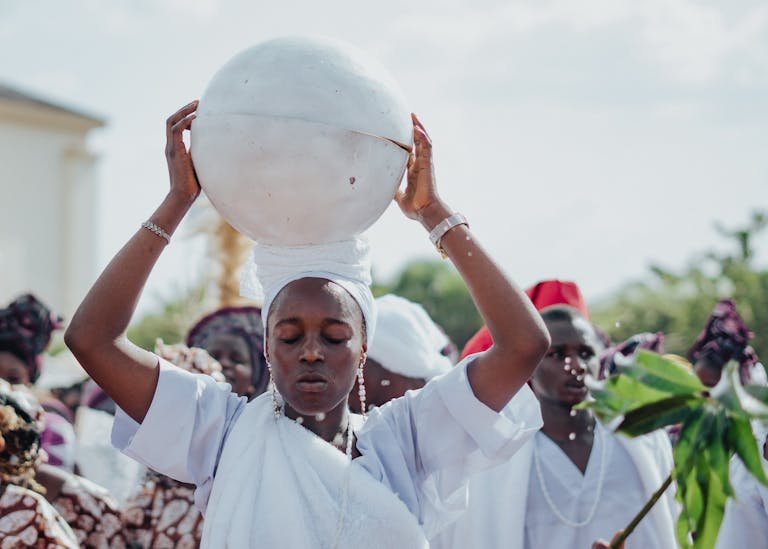
Spiritual practices grounded in ancestral traditions help restore alignment. This includes:
- Creating altars to honour ancestors
- Engaging in rites of passage and naming ceremonies
- Relearning indigenous languages, songs, and stories
- Participating in community rituals and seasonal observances
These acts root us in something older and wiser than modern culture allows. They remind us that we are never alone.
Cultivating Intergenerational Dialogue
Elders are living libraries. By engaging in honest, compassionate conversations with older generations, we unearth stories, values, and spiritual teachings that textbooks cannot offer. Equally, younger generations bring insight and innovation to how we remember.
Embodying Ancestral Values
To truly remember is to live differently. It is to embody the values, wisdom, and integrity of our people. This might look like honouring the earth, practising communal care, resisting injustice, or creating art that speaks truth. When we live in alignment with our roots, we become vessels of ancestral power.
Practical Pathways to Remembering
- Initiate a daily remembrance ritual: Light a candle, speak a name, offer gratitude.
- Document family history: Record oral stories, gather photos, trace genealogy.
- Join an ancestral healing programme: Seek out sacred spaces like Fematin958 Intl where remembering is a collective and guided process.
- Practice cultural humility and curiosity: Learn from other Black traditions across the diaspora, recognising shared roots.
- Create and share art from your lineage: Whether through music, dance, storytelling, or visual art, let your ancestry speak.
Conclusion
Forgetting where we come from is not a neutral act. It carries spiritual, emotional, and cultural consequences that ripple across generations. But so too does remembrance. Every time we honour our ancestors, speak our native languages, embrace cultural rituals, or tell our true stories, we participate in a powerful act of spiritual reclamation.
Let us remember not just with our minds, but with our bodies, our ceremonies, our relationships, and our choices. Because in remembering, we come home to ourselves. And in coming home, we heal the path for those yet to come.