Imagine a woman sitting in a quiet room, holding a faded photograph of her grandmother. The image is a silent testament to a life lived, yet the stories of that life remain untold. In many Black families, these silences are not mere gaps in conversation—they are echoes of lost histories, unspoken traumas, and unhealed wounds. For Black women and elders, particularly those aged 40 to 80, these silences can feel like an insurmountable barrier to healing and self-discovery.
Ancestral stories are more than just narratives; they are the threads that weave together the fabric of identity, resilience, and purpose. Sharing these stories is not merely an act of remembrance but a profound journey of healing, reconnection, and empowerment.
Understanding the Power of Ancestral Stories
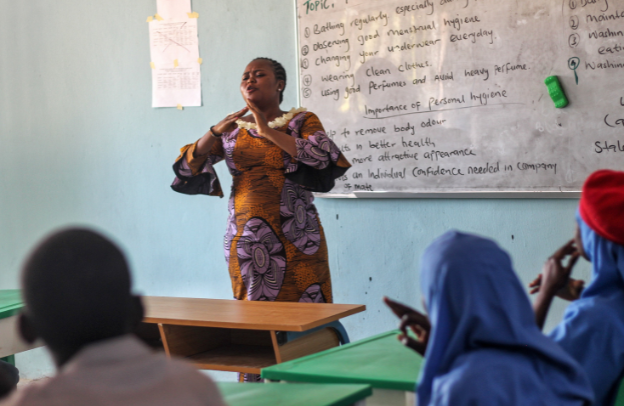
In African cultures, storytelling is a sacred tradition that preserves history, imparts wisdom, and strengthens community bonds. Before the advent of written language, oral traditions were the primary means of documenting events, genealogies, and cultural milestones.
For generations, Griots—Africa’s revered traditional storytellers—served as the living archives of their communities. Through spoken word, song, and memory, they preserved centuries of history, recounting tales of origin, resistance, triumph, and legacy. Their stories were more than entertainment—they were the heartbeat of cultural identity, threading together the wisdom of ancestors with the lives of future generations.
This sacred tradition lives on through the transformative work of Gloria Tinu Ogunbadejo. A devoted practitioner of Yoruba spirituality and African Indigenous Knowledge, Gloria has made it her life’s mission to guide individuals on a journey of intergenerational healing and self-discovery.
Through Fematin958 Intl, she has built a spiritual haven where people can reconnect with their ancestral roots and rediscover the stories that shaped them.
At the core of her work lies storytelling—not just as a method of remembrance, but as a force for empowerment, healing, and cultural revival. In honoring the voices of the past, Gloria ensures they remain a vital part of the present.
Through her, the griot tradition evolves—bridging ancient wisdom with modern transformation and safeguarding the soul of African heritage for generations to come.
Healing Generational Trauma Through Storytelling
Generational trauma manifests in various forms—emotional, psychological, and even physical. For many Black women, these inherited wounds can manifest as feelings of inadequacy, shame, or a sense of disconnection from their cultural roots.
Sharing ancestral stories allows individuals to confront these traumas, understand their origins, and begin the process of healing. By hearing about the resilience and strength of foremothers, individuals can find validation and empowerment, breaking the cycles of pain that have been passed down.
Dr. Mariel Buqué, a Columbia University-trained psychologist specializing in intergenerational trauma, emphasizes the importance of integrating ancient and indigenous healing practices with modern psychology.
Her approach includes techniques such as sound bath meditation, breathwork, and somatics, which recognize the role of the body in internalizing trauma. She advocates for starting with somatic practices like deep breathing, rocking, and humming to manage the nervous system and prepare for deeper healing.
You might find it insightful to read the article “Dr. Mariel Buqué Is Teaching Us to Heal Generational Trauma” on Verywell Mind. In it, Dr. Mariel Buqué reflects on her transformative approach to healing, stating, “I have known for quite some time that my approach can be a bit unconventional. It can tap into layers and dimensions that many of us have not been ready to touch.”
Her words capture the depth and courage required to confront generational pain—and the power of embracing new paths to healing.
Reconnecting with Cultural Practices
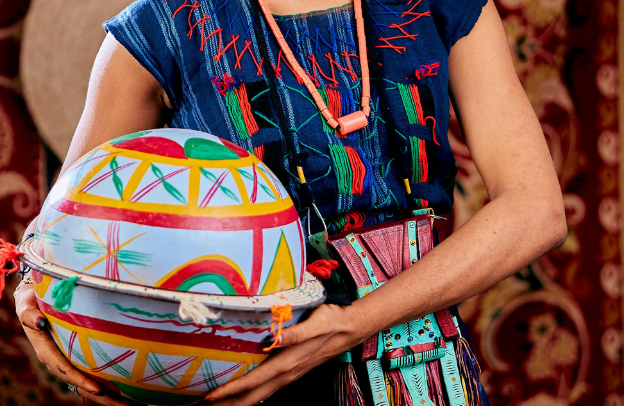
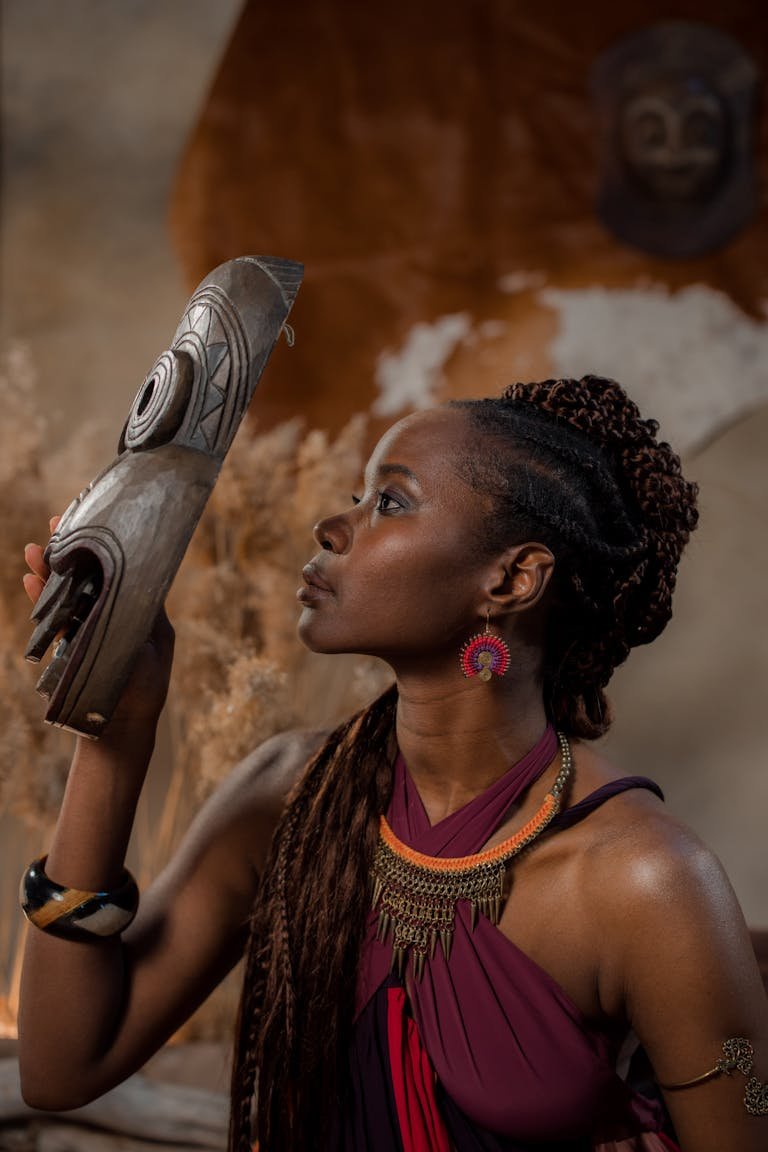
Ancestral stories often contain references to rituals, customs, and practices that have been lost or forgotten over time. By revisiting these stories, individuals can rediscover cultural practices that promote healing and well-being.
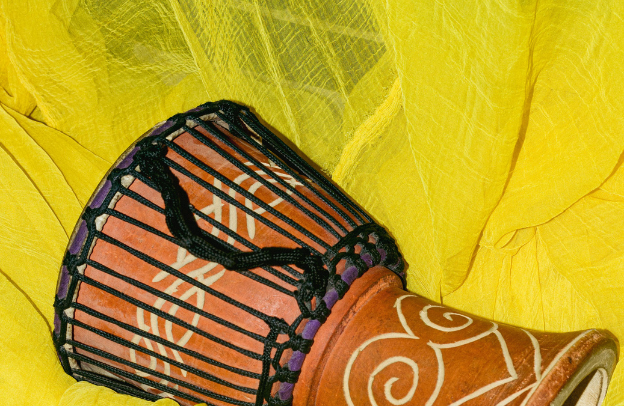
For instance, certain songs, dances, or ceremonies may hold therapeutic properties, offering comfort and a sense of belonging. Engaging in these practices can foster a deeper connection to one’s heritage and provide a sense of continuity and purpose.
In African cultures, storytelling serves as a means of celebrating diversity and inclusivity within societies by showcasing the rich tapestry of cultural practices, beliefs, and perspectives.
By sharing stories that reflect the unique experiences and identities of different individuals, storytellers promote understanding, tolerance, and appreciation for the diversity that exists within the community.
This celebration of diversity through storytelling contributes to a more inclusive and accepting social environment where all voices are valued and respected.
Restoring Identity and Purpose
For many Black women, especially those who have experienced displacement or disconnection from their cultural roots, ancestral stories serve as a compass, guiding them back to their authentic selves.
These stories illuminate the paths of foremothers who navigated adversity with grace and strength, offering blueprints for resilience and empowerment. By embracing these narratives, individuals can reclaim their identity, purpose, and sense of belonging, fostering a renewed sense of self-worth and direction.
Practical Steps to Begin the Journey
- Engage in Oral Histories: Initiate conversations with elders in your family or community. Record their stories, ask about their experiences, and listen actively. These narratives are invaluable treasures that offer insights into your heritage.
- Create a Storytelling Ritual: Establish a regular practice of sharing stories within your family or community. This could be during family gatherings, community meetings, or even through digital platforms. Consistency fosters connection and continuity.
- Document and Preserve: Write down the stories you hear. Create a family archive, whether digital or physical, that preserves these narratives for future generations. This act of preservation honors the past and ensures its legacy.
- Integrate Cultural Practices: Explore and incorporate cultural rituals, songs, dances, or ceremonies into your life. These practices are not just traditions; they are pathways to healing and connection.
- Seek Community Support: Join groups or organizations that focus on ancestral healing and cultural reclamation. Engaging with like-minded individuals can provide support, resources, and a sense of community.
Conclusion: Embracing the Legacy
Ancestral stories are not relics of the past; they are living narratives that continue to shape and influence the present. By sharing and embracing these stories, individuals can heal generational wounds, reconnect with cultural practices, and restore their sense of identity and purpose. This journey of rediscovery is not just about remembering the past; it is about empowering the future.
At Fematin958 Intl, the commitment is to honor the past and embrace the future. Through storytelling, rituals, and spiritual guidance rooted in African diasporic cultures, the aim is to facilitate healing, empowerment, and transformation. By walking this path together, we can restore our souls and reclaim our rightful place in the tapestry of our heritage.